Skip to content

Enhancing sustainability in Volkswagen Group logistics

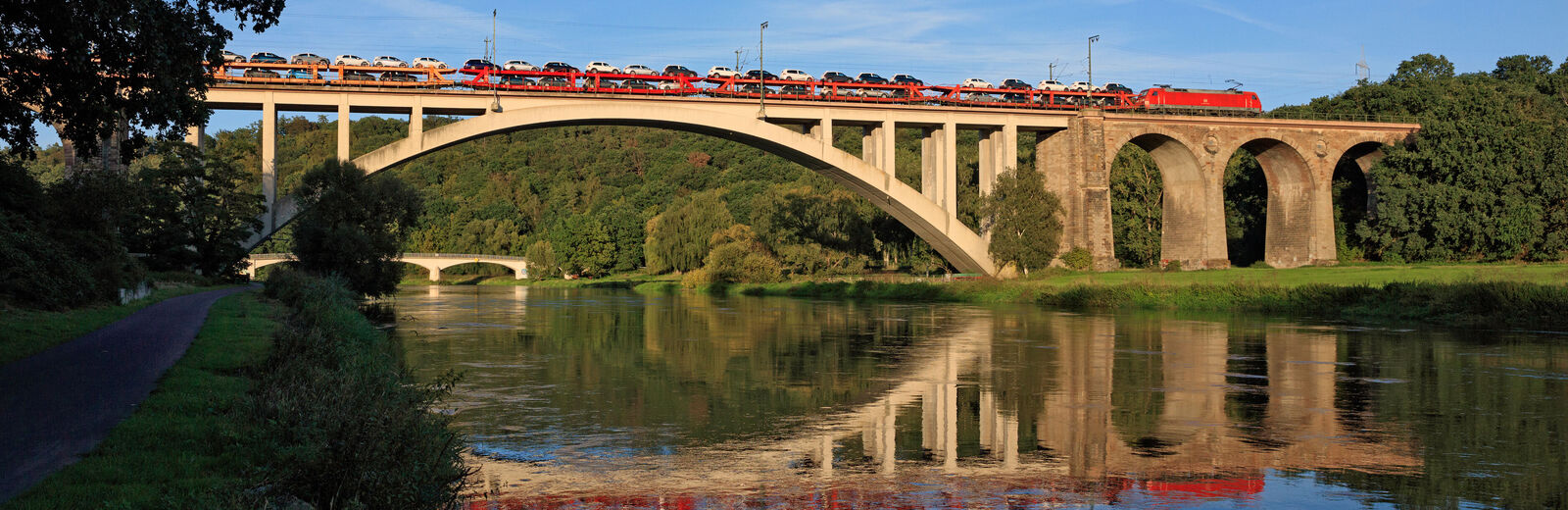
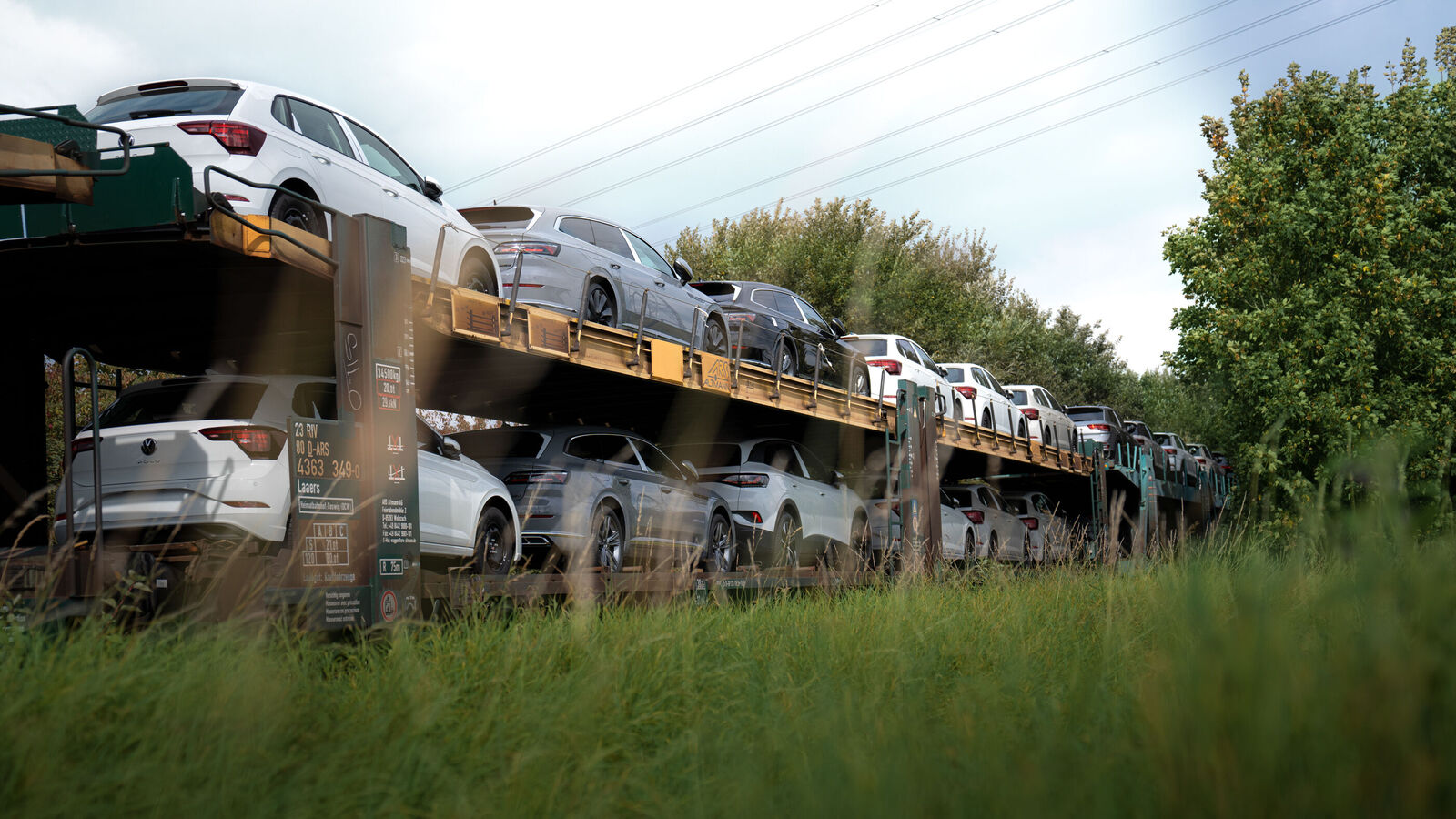
Train carrying cars crossing a bridge over a river.

Volkswagen Group Logistics consolidates and connects sustainable logistics activities across the Group – spanning all brands and extending to the plants. It addresses a range of action areas to continuously enhance the sustainability of logistics while ensuring that these measures are coordinated and implemented consistently with logistics service providers.

Volkswagen Group Logistics

4.8
million
vehicles transported per year
150
+
sales markets
180,000
TEU containers shipped per year
111
production sites
7,800
ship departures per year

Driving sustainability in logistics: our approach

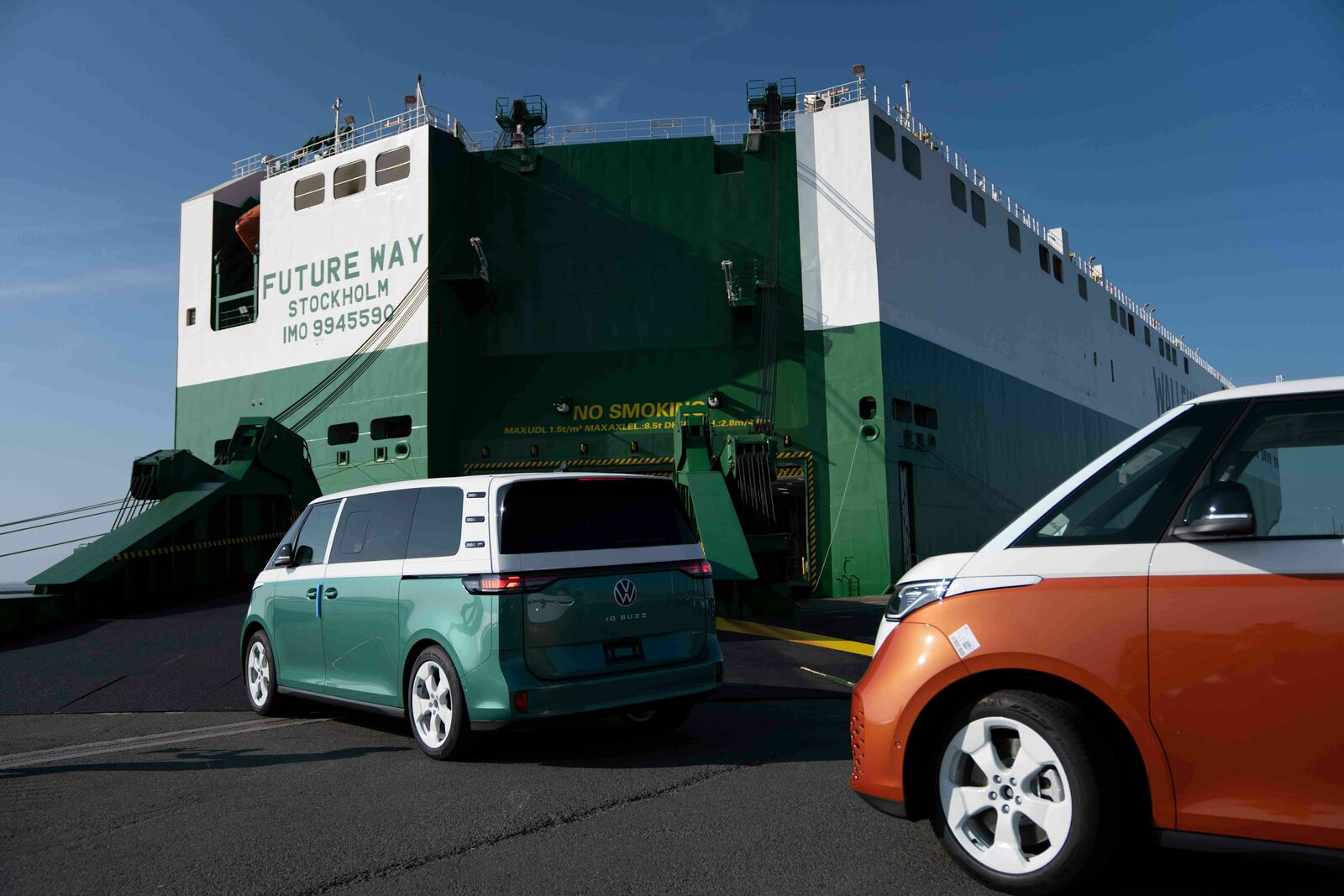
Two VW vans in front of a large cargo ship in a port.
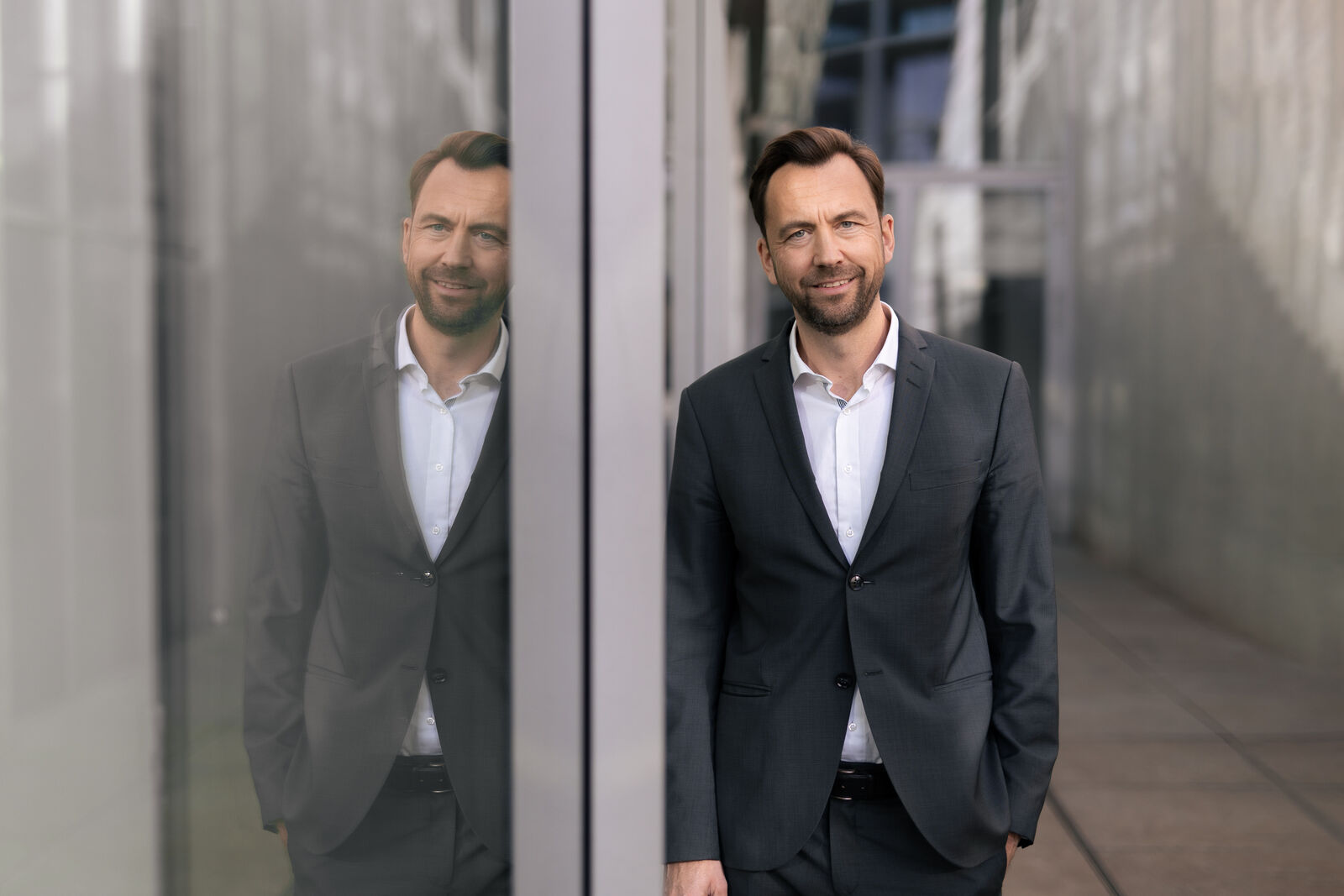
“An optimally designed transportation network causes as few emissions as possible and is powered by green energy.”
Simon Motter Head of Volkswagen Group Logistics
Man in a suit standing next to a glass wall with reflection.
Infographic on transport, network, and energy optimization.

Target vision 2050

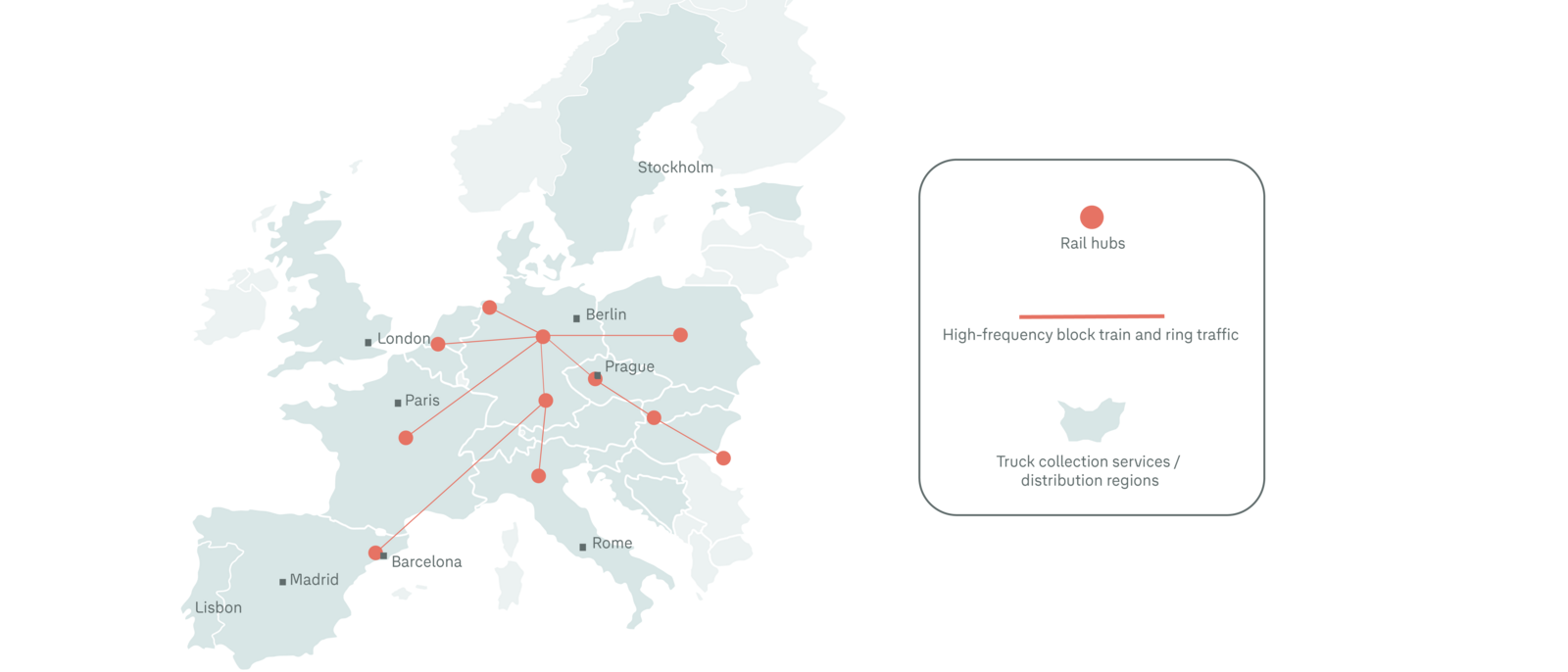
Our vision is a shared transport network for material and vehicle transportation with a focus on rail as a mode of transport. In the future, the sustainable network design will essentially be influenced by five parameters: minimum energy use (MJ/tkm) and emissions, economic efficiency, security of supply, range and availability of green energy carrier capacity and associated infrastructure.


Sustainability is a team effort: across the Volkswagen Group, all brands work in close partnership to advance measures that support the sustainable transformation of logistics.


Map of Europe with network connections and logistics points.
44
billion
tonne-kilometers by ship in 2024
18
billion
tonne-kilometers by truck in 2024
5
billion
tonne-kilometers by rail in 2024

Impressions

The specified fuel consumption and emission data does not refer to a single vehicle and is not part of the offer but is only intended for comparison between different types of vehicles. Additional equipment and accessories (additional components, tyre formats, etc.) can alter relevant vehicle parameters such as weight, rolling resistance and aerodynamics, affecting the vehicle's fuel consumption, power consumption, CO₂ emissions and driving performance values in addition to weather and traffic conditions and individual driving behavior. Further information on official fuel consumption data and official specific CO₂ emissions for new passenger cars can be found in the "Guide to fuel economy, CO₂ emissions and power consumption for new passenger car models", which is available free of charge from all sales dealerships and from DAT Deutsche Automobil Treuhand GmbH, Hellmuth-Hirth-Str. 1, D-73760 Ostfildern, Germany and at www.dat.de/co2.