What does automated driving mean and how does it differ from autonomous driving?
A: With automated driving, the car takes over individual driving tasks or drives independently for periods of time. With autonomous driving, it takes over the entire driving task – without human intervention. The international SAE J3016 standard distinguishes levels 0 to 5:
Level 0 – no automation: The driver drives.
Level 1 – assisted: The car assists with steering or speed control.
Level 2 – partially automated: The car steers, accelerates and brakes. The driver monitors.
Level 3 – highly automated: The car drives independently for periods of time, for example in traffic jams. The driver takes over when prompted.
Level 4 – fully automated: The car drives independently within defined operating ranges, for example on a regular route.
Level 5 – autonomous: The car drives independently everywhere and under any conditions.
How does an autonomous taxi work and which technologies enable its use in urban traffic?
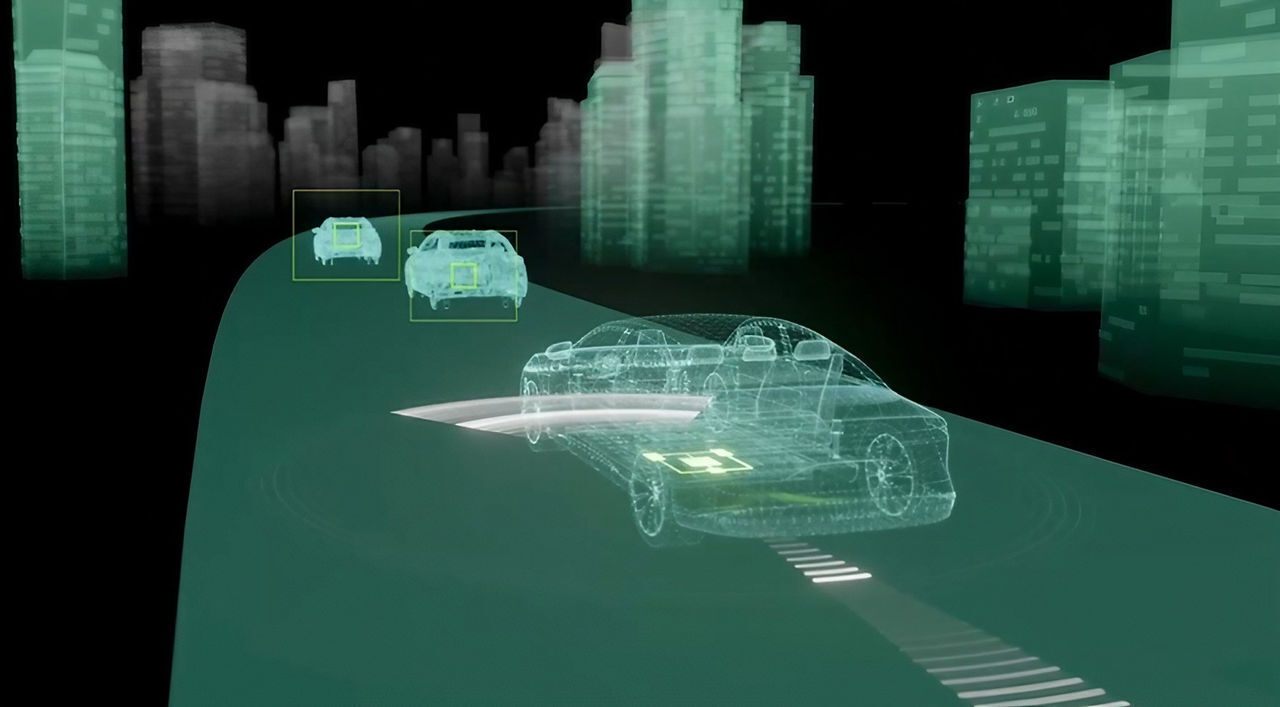
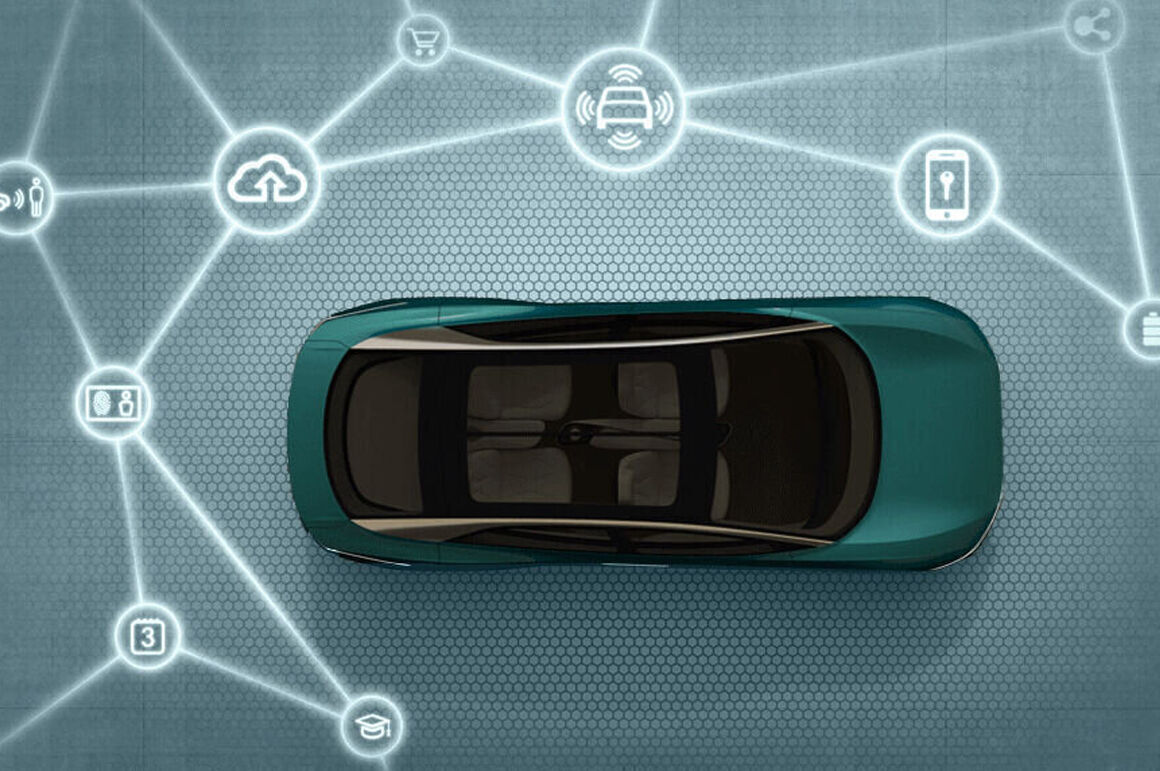
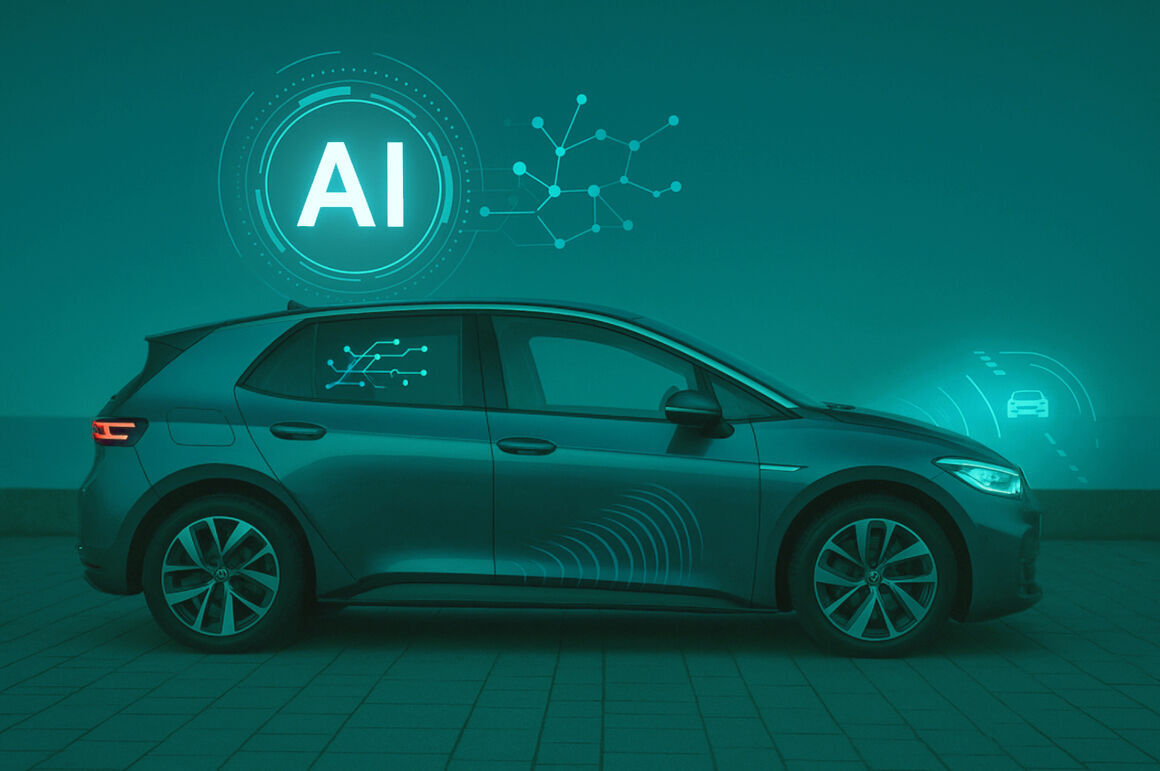
A: An autonomous taxi detects its surroundings using cameras as well as radar and LiDAR sensors (laser sensors). It can therefore identify other vehicles, people, traffic lights and obstacles, for example. Powerful computers process this information in real time. The software plans the route and steers the taxi through traffic.
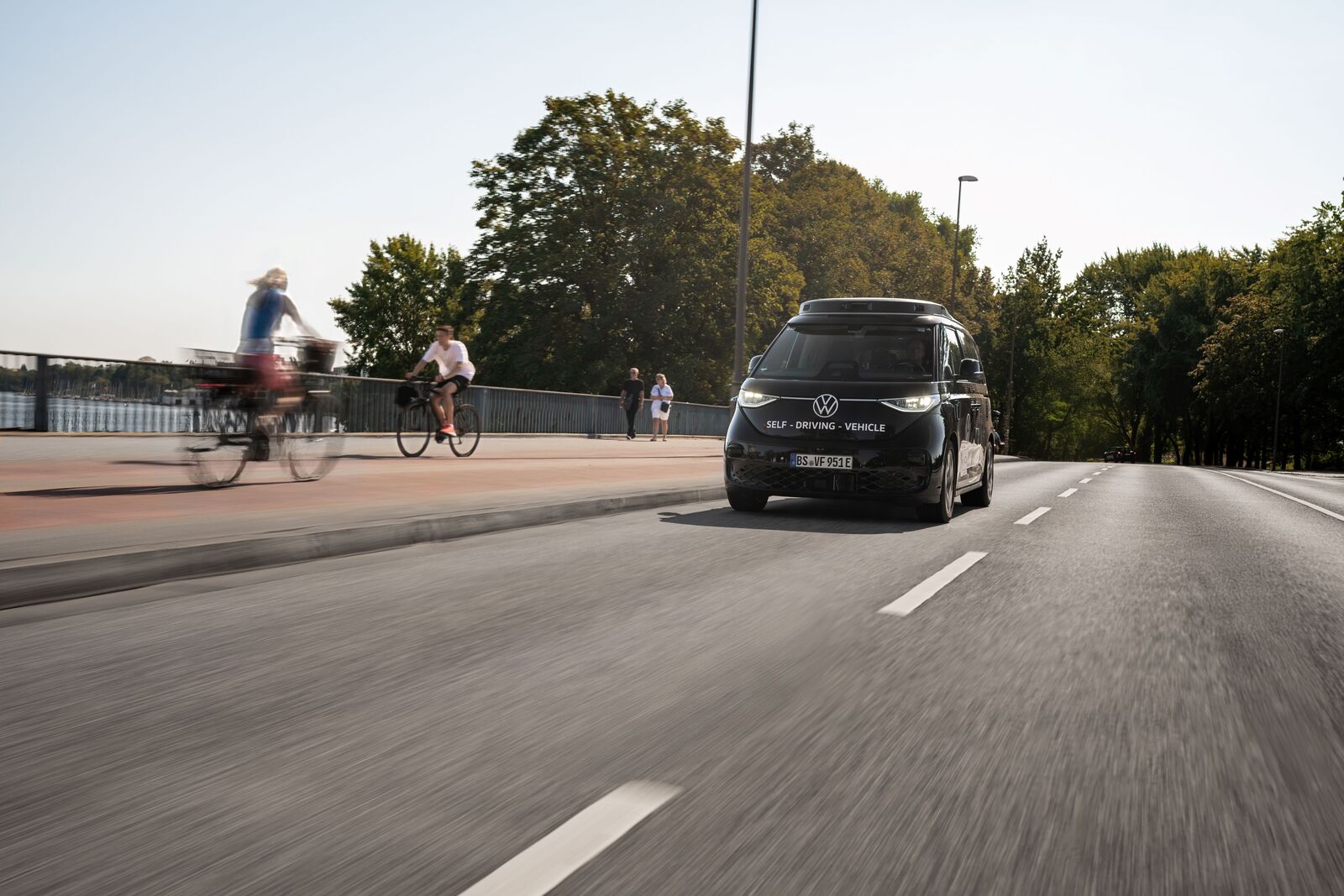
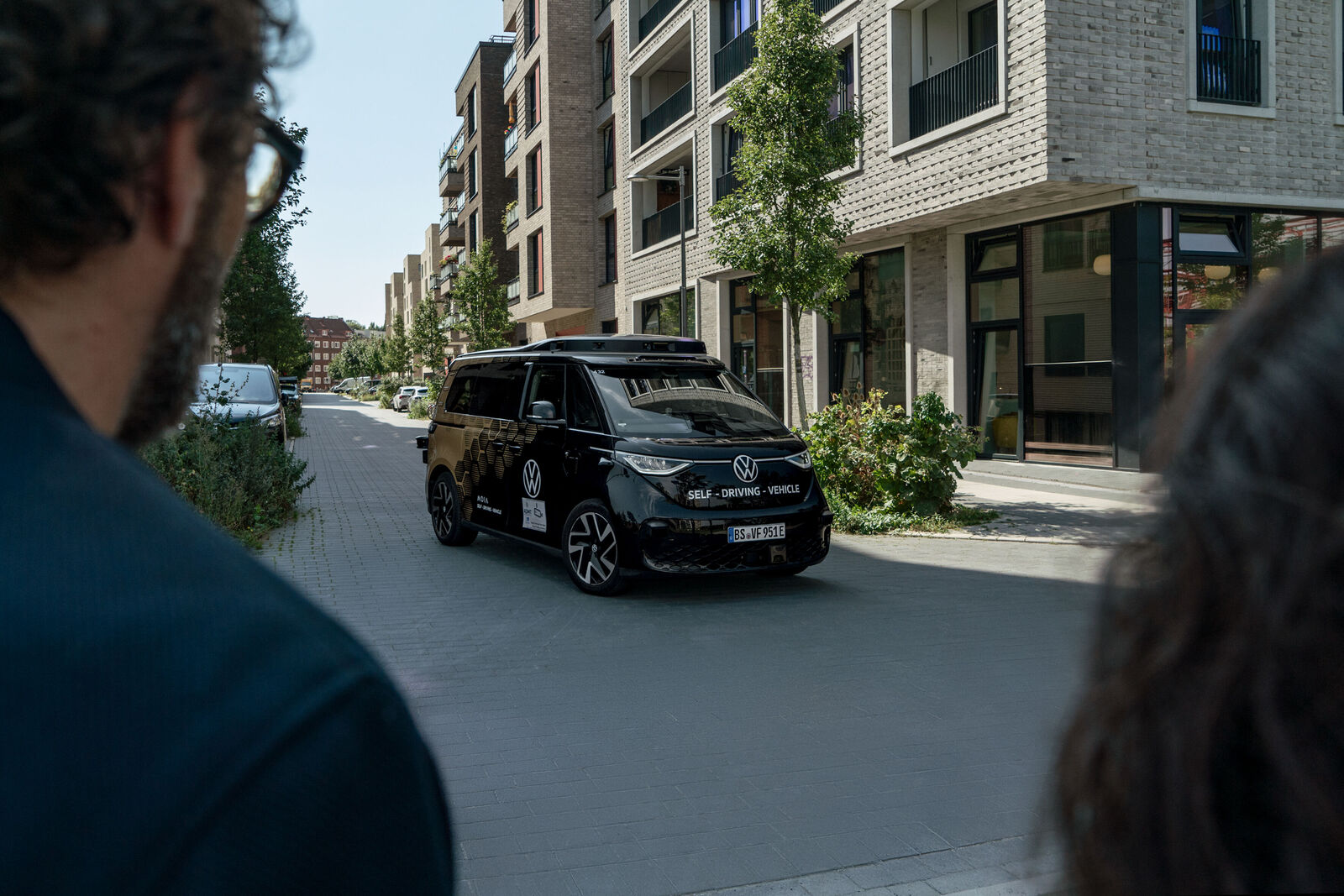
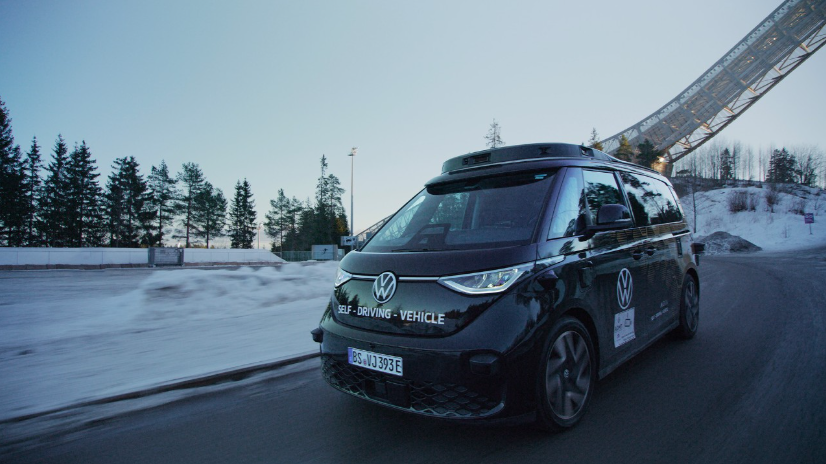
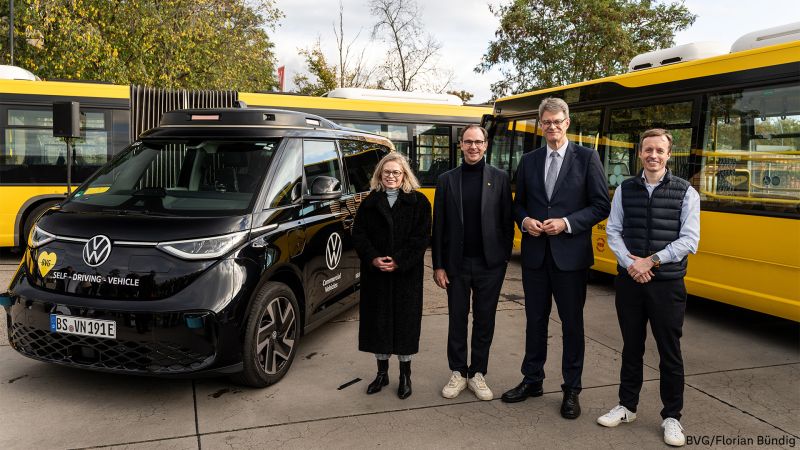
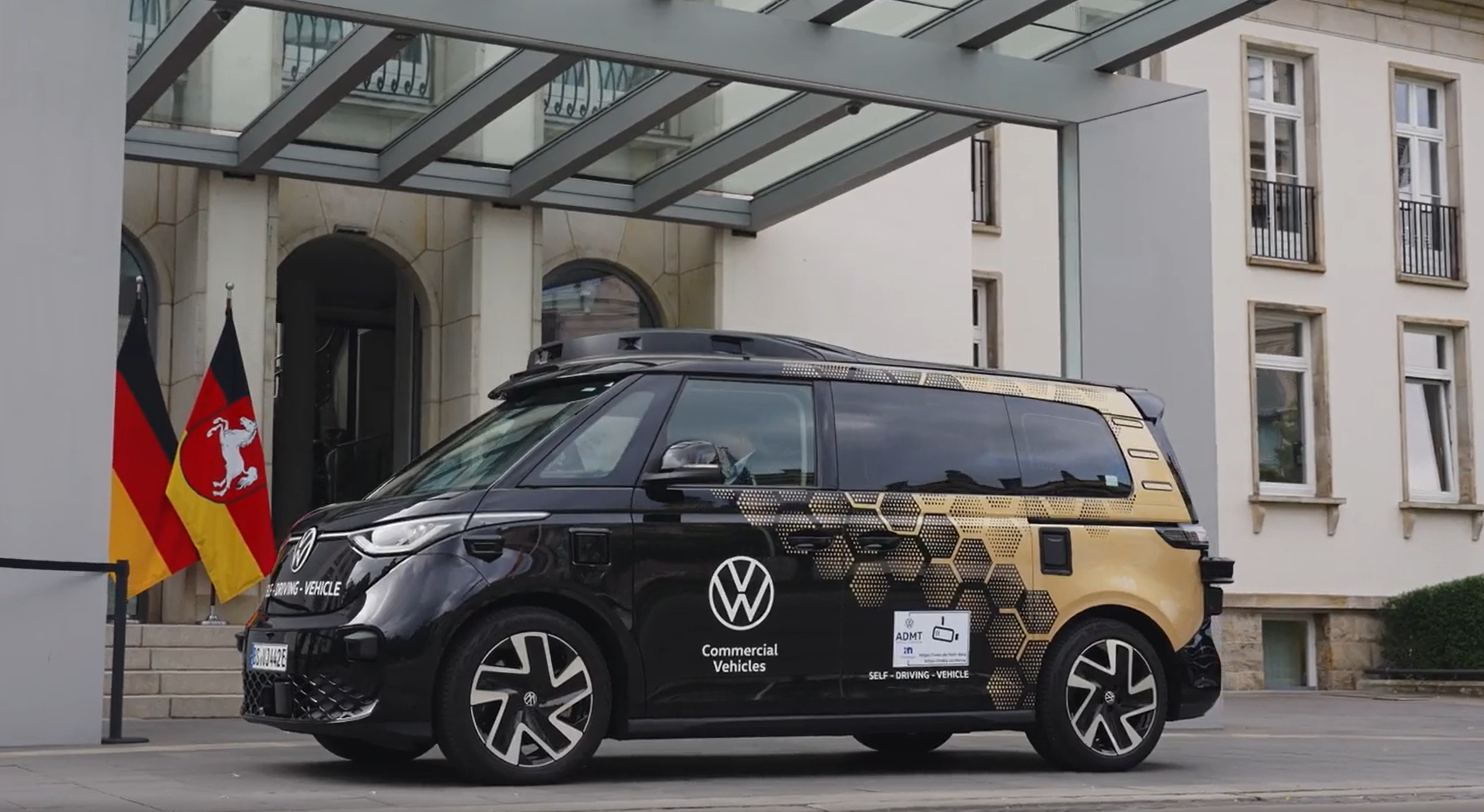
One example is the ID. Buzz AD, which the Volkswagen Group is developing for autonomous mobility services. Its 13 cameras, nine LiDAR and five radar sensors provide a 360-degree view of the surroundings. Redundant systems for braking, steering and power supply provide additional safeguards for critical functions. The vehicle is designed for Level 4 autonomous driving and can therefore operate without a person at the wheel within the defined framework.
What do statistics say about the safety of autonomous driving compared with human driving?
A: Initial extensive real-world traffic statistics indicate that autonomous vehicles can drive more safely than humans. The independent US Insurance Institute for Highway Safety (IIHS) analyzed around 50 million autonomously driven miles traveled by Waymo ride-hailing vehicles. Compared with human-driven cars, there were
- 68 percent fewer police-reported crashes and
- 81 percent fewer crashes involving injuries.
The results are promising, but they cannot yet be applied to all autonomous vehicles and traffic situations. The comparison data available so far comes primarily from defined operational areas in US cities.