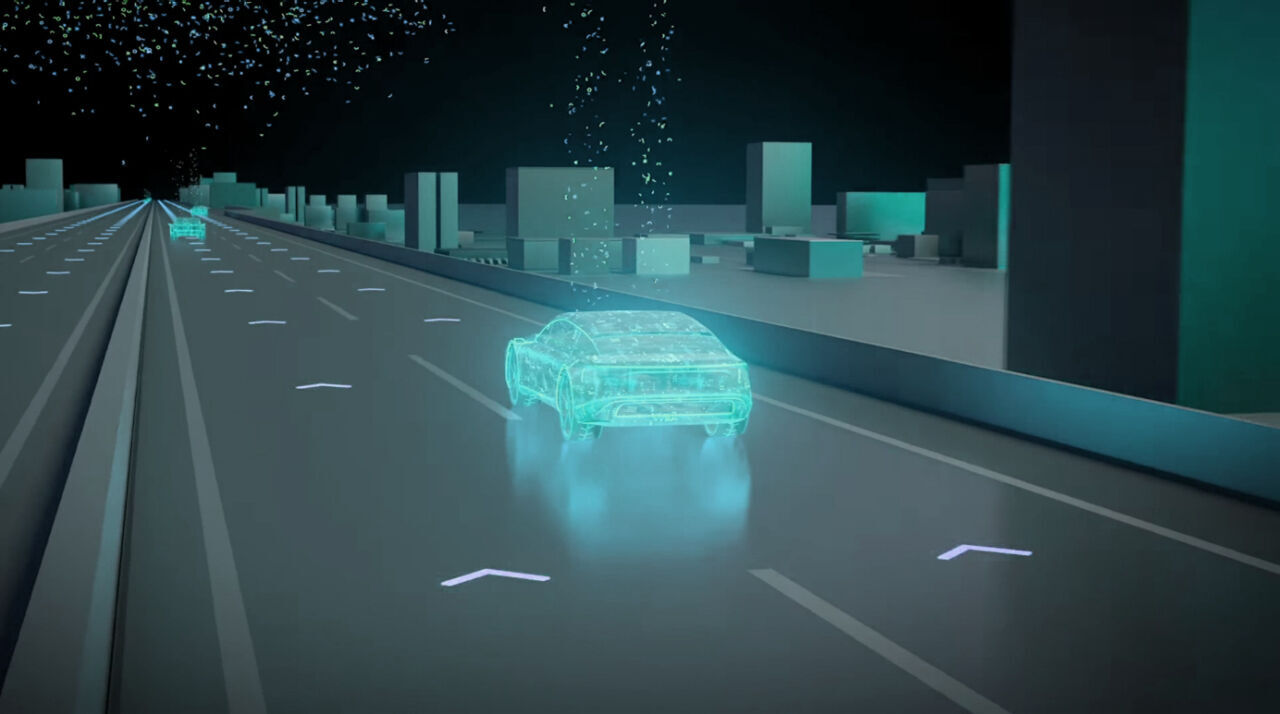
The automotive industry is undergoing profound change: technologically, economically and socially. At the heart of this change is the transition from traditional vehicles to intelligent, software-defined platforms that are increasingly autonomous, connected and personalised. The Volkswagen Group is actively shaping this future as "The Global Automotive Tech Driver".
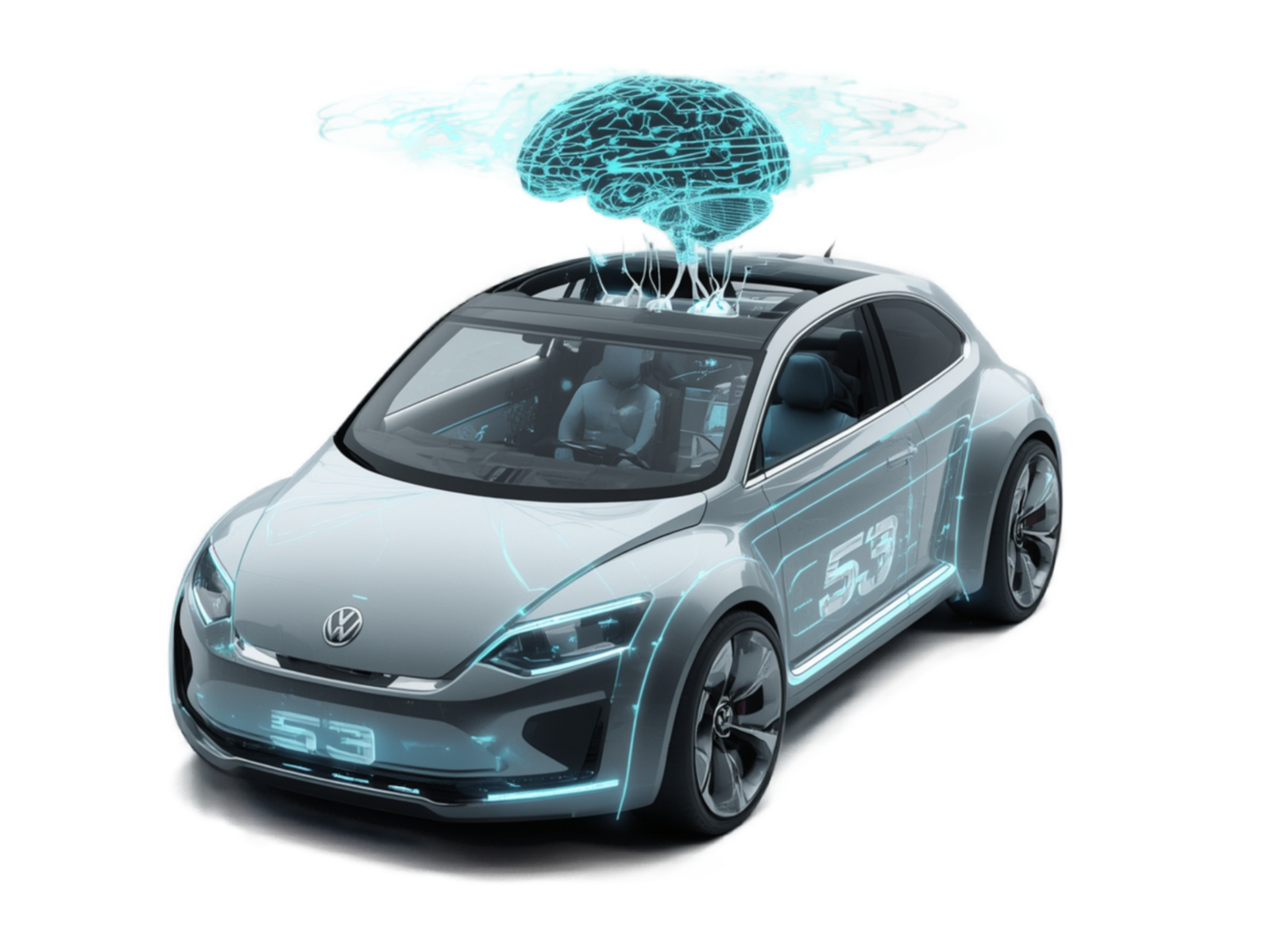
This initiative invites universities to explore the next frontier of vehicle intelligence. Inspired by Herbie, participants are asked to design AI-powered systems that go beyond mere automation and embody personality, adaptability and agency.
Herbie is a fictional character from Disney’s classic film series, first appearing in The Love Bug (1968). Portrayed as a sentient Volkswagen Beetle with emotions, personality, and a mind of its own, Herbie became a symbol of charm, intelligence, and human-machine connection.
Participation & Registration
Teams consisting of students, PhD candidates and postdocs from universities officially invited by Volkswagen AG are eligible to participate. Interdisciplinary teams are expressly encouraged.
Participation is reserved exclusively for universities that have received an official invitation.
The composition and structure of the teams is left to the universities themselves. We welcome teams with diverse professional backgrounds to emphasize thinking outside the box. The teams can coordinate and structure themselves independently. The university must provide a supervisor who can support the team and serves as an official contact person for Volkswagen.
The Challenge is a multi-phase innovation journey that can take teams from concept to vehicle demonstration. The process is divided into three main phases.
Phase 1: Concept – 2nd March 2026 to 3rd May 2026
Phase 2: Prototyping – 11th May 2026 to 4th December 2026
Phase 3: Implementation – 18th January 2027 to 30th July 2027
A detailed task description will be published at the beginning of each phase.
Phase 1: Concept – Define the vision
Creative brainstorming and concept development. The teams create a vision for future in- & around-the-car experiences.
Phase 2: Implementation – Build the intelligence
Technical implementation of the concepts from phase 1. A selection of teams is developing their functional use case in a cloud-based development environment.
Phase 3: Prototyping – Bring to life
Integration in a Simulation Environment. Finalists integrate and validate their AI solutions in a realistic virtual vehicle environment, focusing on functionality, vehicle interactions, and user experience testing.
Results and winnings
The conclusion includes the presentation of the prototypes at an automotive industry event in 2027 together with the Volkswagen Group.
The winning team will receive the modified research vehicle for their own use and a three-year research partnership with the Volkswagen Group. In addition,
first place will receive 50,000€
second place 30,000€ and
third place 10,000€
Car Brain Challenge
The future of vehicle intelligence begins now. Volkswagen Group is launching the Car Brain Challenge “Re-inCARnate Herbie”: a unique international competition that invites the most talented minds at universities worldwide to shape the next generation of vehicle intelligence.
The automotive industry is developing at a rapid pace. Innovative technologies are defining vehicle functions and the driving experience. The Volkswagen Group sees this transformation as an opportunity to shape the mobility of tomorrow as a global automotive technology driver – climate-neutral, digital and connected. Our pioneering solutions along the entire automotive value chain combine experience and efficiency, safety and sustainability. This enables us to inspire customers time and time again. All over the world.
The specified fuel consumption and emission data does not refer to a single vehicle and is not part of the offer but is only intended for comparison between different types of vehicles. Additional equipment and accessories (additional components, tyre formats, etc.) can alter relevant vehicle parameters such as weight, rolling resistance and aerodynamics, affecting the vehicle's fuel consumption, power consumption, CO₂ emissions and driving performance values in addition to weather and traffic conditions and individual driving behavior.
Further information on official fuel consumption data and official specific CO₂ emissions for new passenger cars can be found in the "Guide to fuel economy, CO₂ emissions and power consumption for new passenger car models", which is available free of charge from all sales dealerships and from DAT Deutsche Automobil Treuhand GmbH, Hellmuth-Hirth-Str. 1, D-73760 Ostfildern, Germany and at www.dat.de/co2.