


#Heritage
The history of Volkswagen Group is unique. Based in Wolfsburg after World War II it developed into one of the biggest and most successful companies of the world. With strong brands and outstanding products the Volkswagen Group has moved and touched people all over the world until today.
30 contents with this tag
Basic Info Sub Page
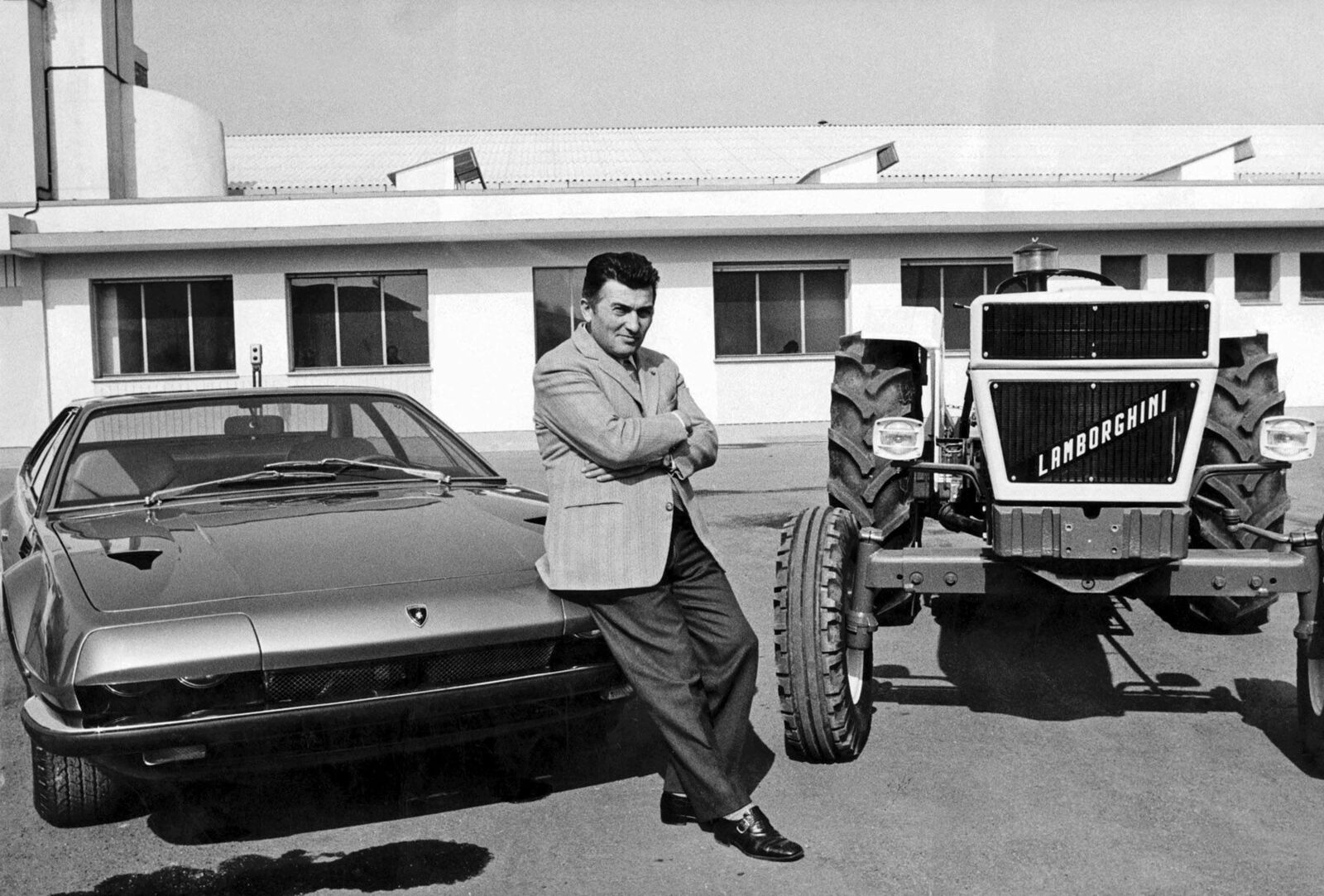
The History of Lamborghini
To this day, the unbridled energy of a fighting bull is the trademark of the super sports cars built in Sant’Agata Bolognese, both on and under the bonnet. In contrast to Bugatti, the legend of Lamborghini was still very much alive in 1998, as evidenced by the roar of the V12 engine. This unique combination of speed, style and perfection attracted the attention of the Volkswagen Group, which was looking to develop a luxury segment to enhance its prestige and market coverage. The opportunity came when the Indonesian holding company Megatech could no longer put up the capital required by its Italian subsidiary and Lamborghini faced financial problems. Company representatives searching for an engine for their Aerosa prototype contacted Audi. As a result, Volkswagen learnt that the Lamborghini brand was for sale. Following lengthy negotiations, Automobili Lamborghini S.p.A. was acquired on July 10, 1998.
Basic Info Sub Page
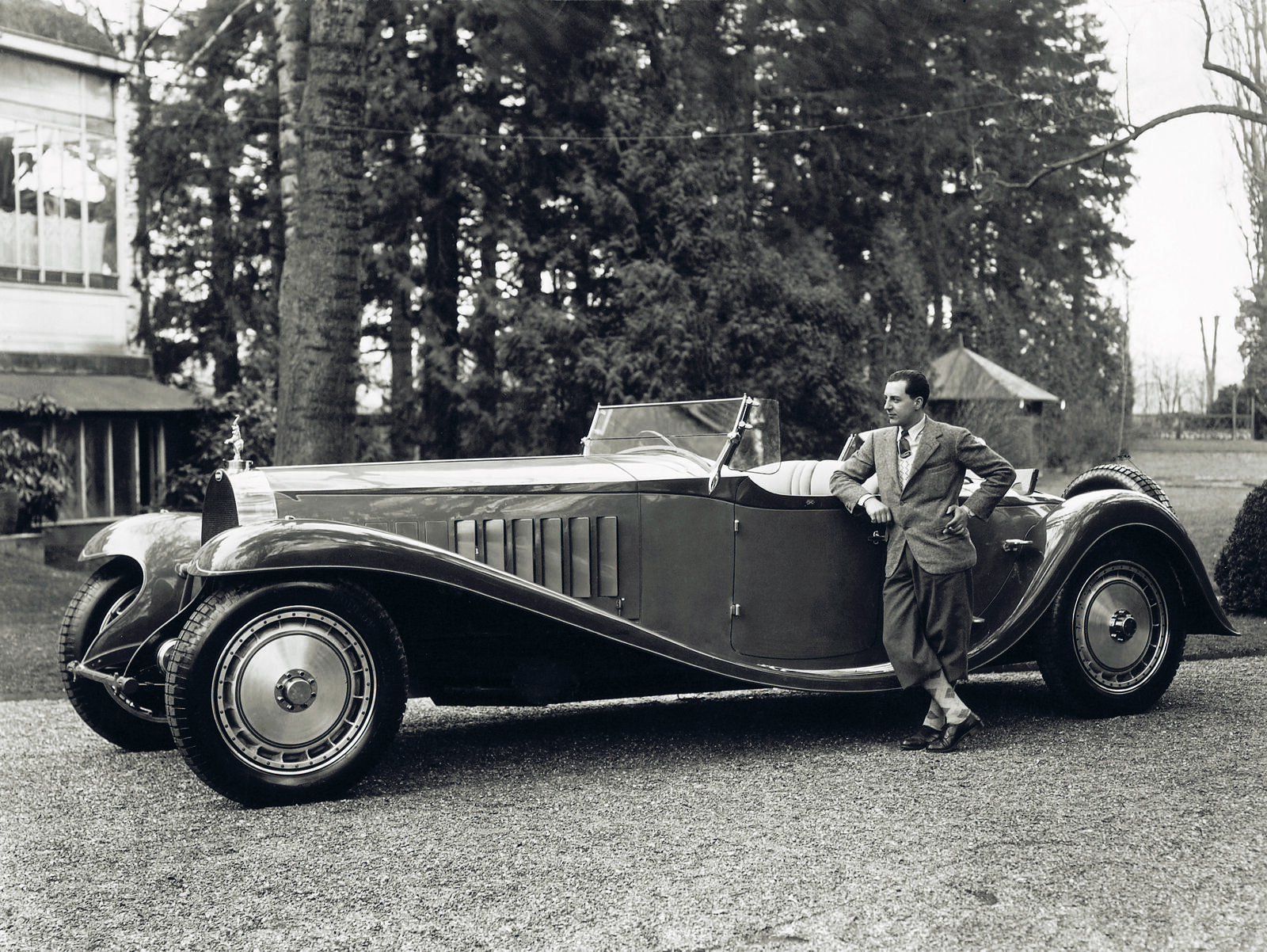
The History of Bugatti
In the mid-1990s, Bugatti existed only as an automotive legend in the history books. Yet the myth of the luxury sports car from Molsheim lived on, with the 500 Bugattis still in existence bearing witness to outstanding engineering and ground-breaking design concepts in the automobiles of a past era. In 1998, Volkswagen took the opportunity to breathe new life into the ninety-year history of this grande marque of the past. Like the acquisitions of Bentley and Lamborghini which were completed the same year, the Bugatti takeover was part of the Volkswagen Group’s strategy of establishing a luxury segment and harnessing a small but steady demand potential. In addition, the revitalisation of this traditional luxury brand was intended to reinforce the technical expertise and innovative strength of Europe’s largest car-maker. The prestige gained in this way was to reflect on the Group’s mid-class offerings and to enhance public perceptions of the Volkswagen Group’s transition from a global volume manufacturer to an integrated alliance of brands with strong individual identities. At the top end of its car range, the Volkswagen Group was able to present Bugatti as an exquisite calling-card with the potential for redefining the boundaries of automotive engineering and design.
Basic Info Sub Page
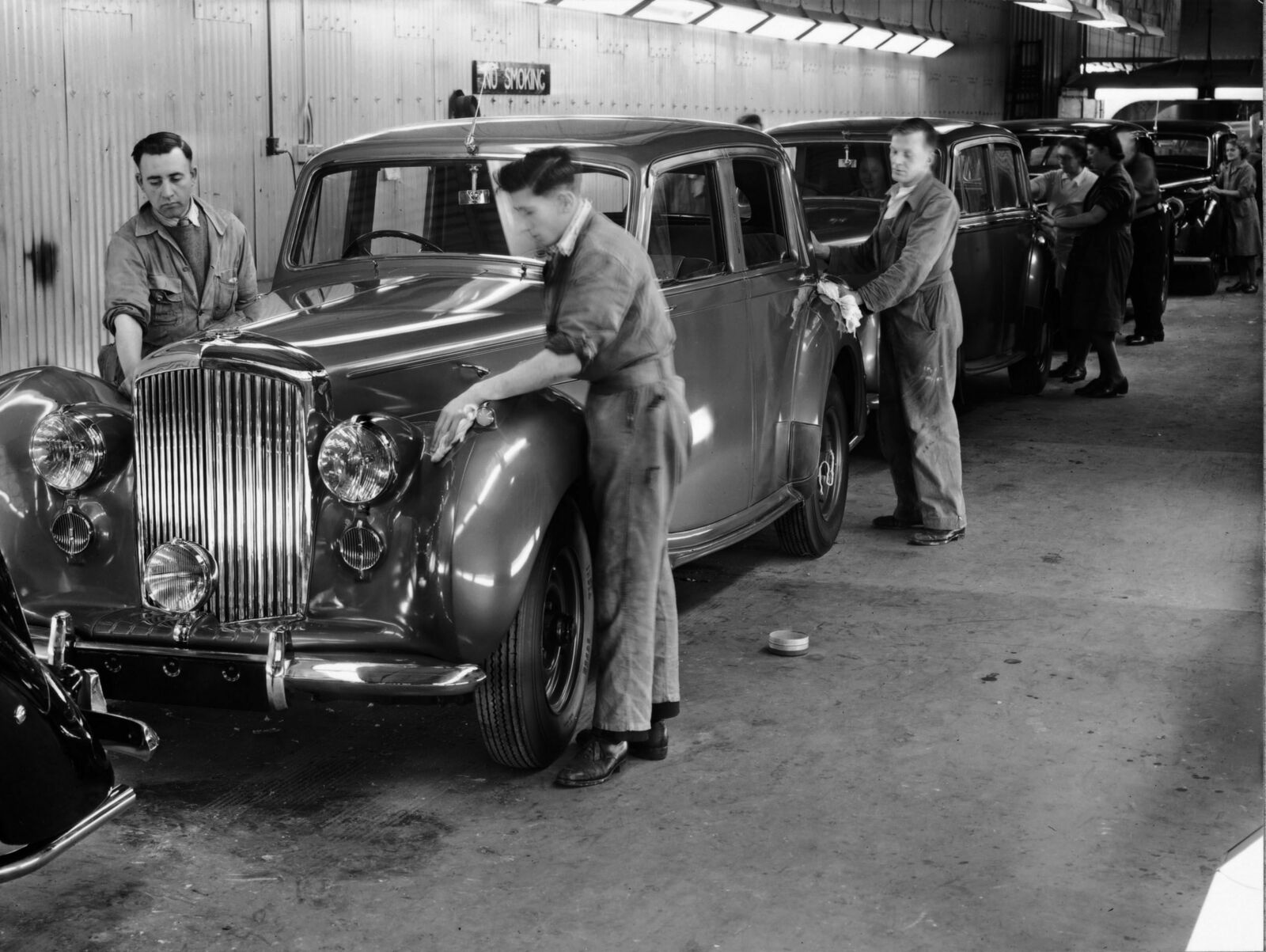
The History of Bentley
The Bentley brand had been the driving force in the growth of Rolls Royce Motor Cars for a decade when the Vickers Group put the chronically underfunded producer of luxury automobiles up for sale in October 1997. The royal carmaker was ideal for the development of a luxury segment under the Volkswagen Group umbrella: Bentley supplied the sporty and luxurious model range and Rolls Royce the illustrious name. In March 1998, it became clear that Volkswagen could not have both. On July 3, 1998the Wolfsburg manufacturer acquired the Bentley brand, the factory in Crewe and the right to use the Rolls Royce brand name until the end of 2002. Volkswagen’s brand policy had been mainly focussed on Bentley cars from the outset. By its acquisition, the Volkswagen Group made a successful entry into the luxury segment. Rolls Royce and Bentley once again went their separate ways after 2003, resuming the tradition started in the early days of their history, when the two companies had been competitors.
Basic Info Sub Page
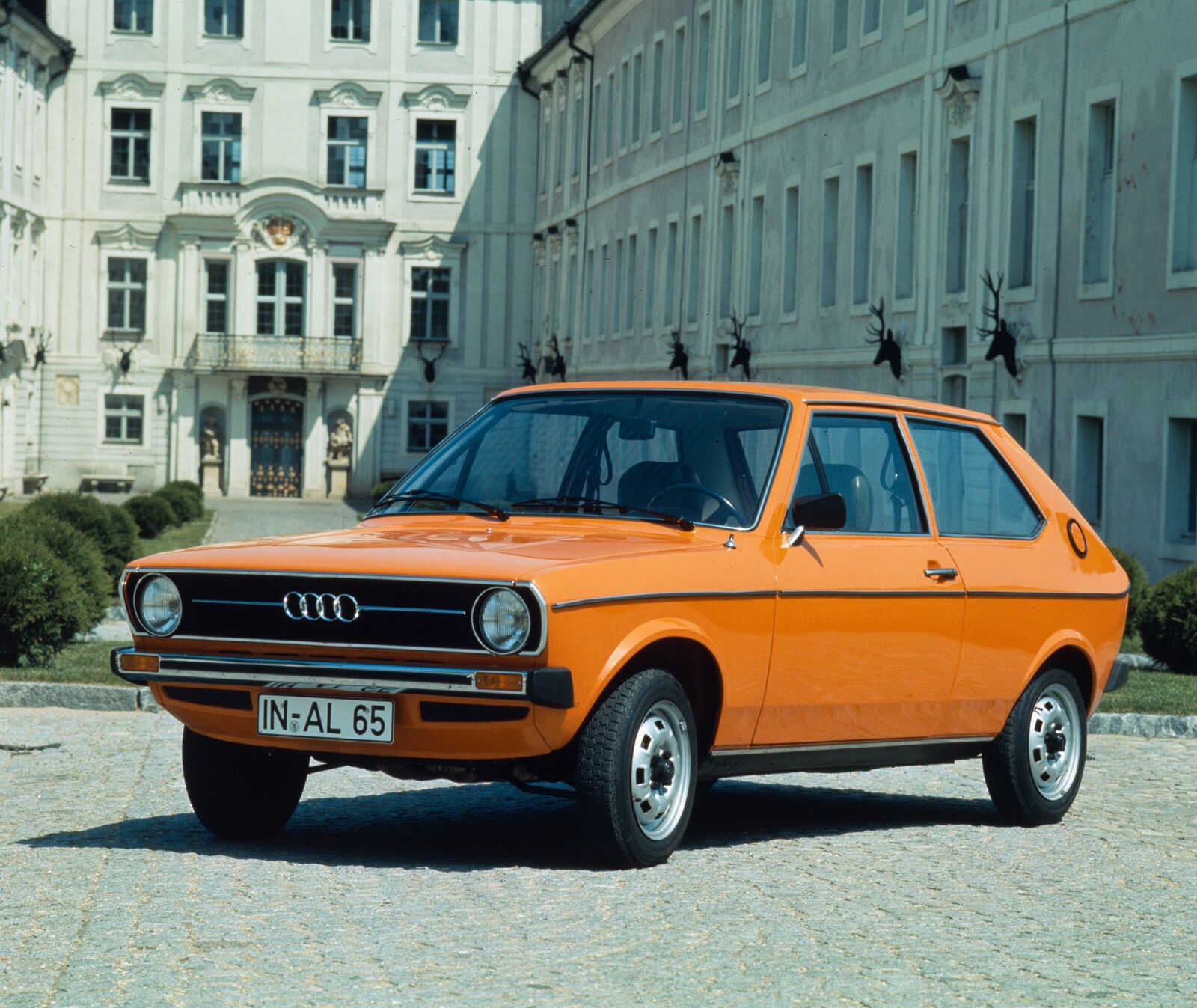
The History of Audi
The development of a multi-brand group was not yet part of Volkswagen’s plans when it began negotiating to acquire Auto Union GmbH in 1964. It was interested in the Daimler-Benz subsidiary for different reasons: As car production at the Wolfsburg plant was nearing its capacity limits, Volkswagen was mainly looking to acquire the factory in Ingolstadt with its annual capacity of 100,000 vehicles, its highly skilled workforce, and its sales and service organisation including more than 1,200 dealers and workshops.
Basic Info
The History of the Brands
Basic Info Sub Page
1992 to 2015 – Globalisation of the Mobility Group
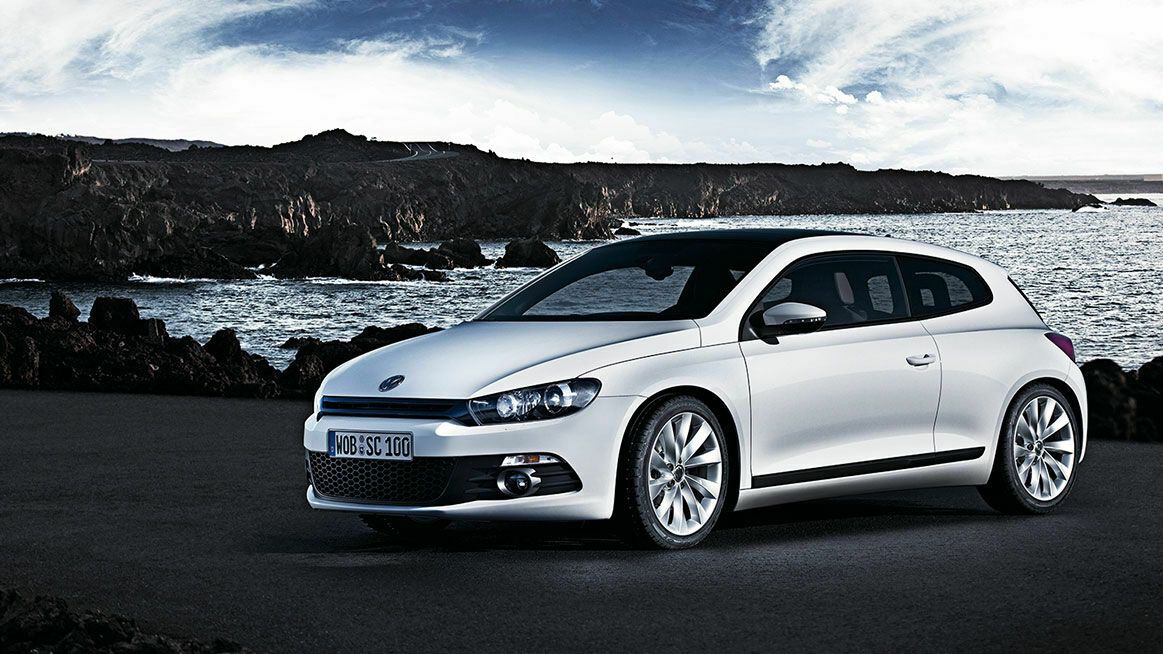
The Volkswagen Group initiated a strategic change of direction during the severe global recession of 1992/93. While the 1980s was a time of internationalisation and volume policy, Volkswagen now concentrated more on product diversity as well as on improving productivity and earning power. The Group’s modernisation was linked to a globalisation process aimed at establishing highly efficient production facilities and effectively reshaping the functional division of labour within the global production alliance. The Wolfsburg-based car-maker was responding to structural problems specific to the industry and the company itself which became more pronounced during the recession as sales plummeted. Price competition, particularly from Japan and the emerging Korean automotive industry, increased the pressure on the global player to streamline and cut costs, while market saturation in Western Europe dampened growth expectations as the economic upturn triggered by German reunification petered out.
Basic Info Sub Page
1982 to 1991 – New Brands, New Markets
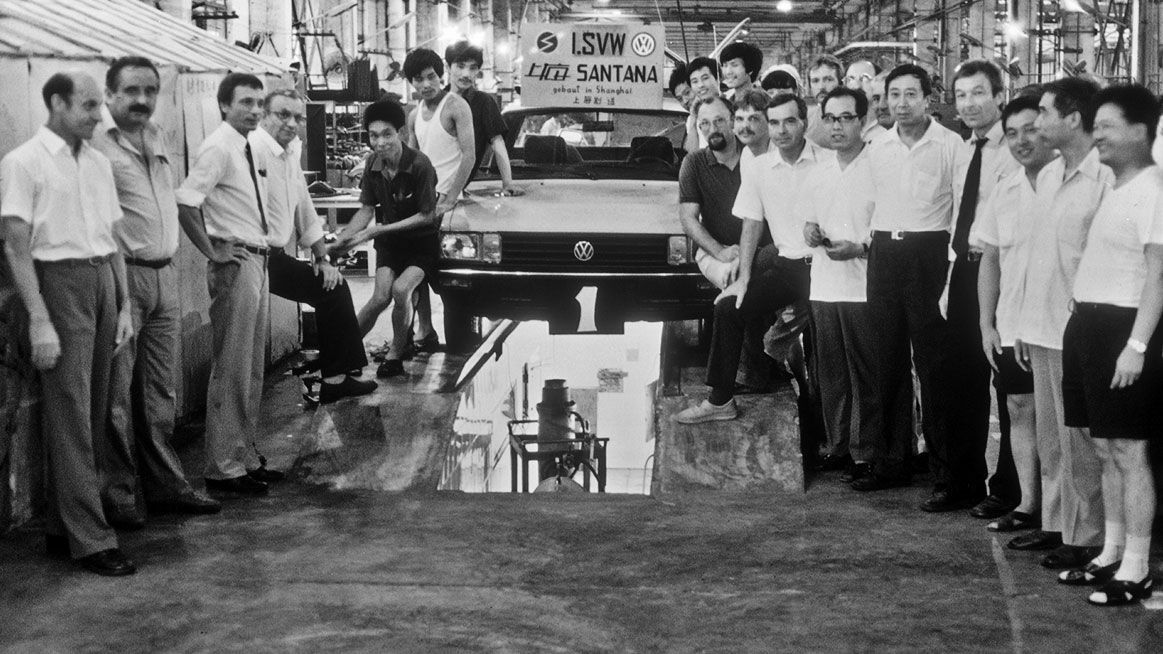
As the world automotive industry underwent structural change, the Volkswagen Group evolved into a multi-brand alliance with a global production network. Based primarily on a high-volume policy, Volkswagen vigorously exploited opportunities for expansion on European and Asian markets to counter the negative trends in the automotive industry during the 1980s. Increased pressure from the competition in Europe and North America, higher energy prices, instability on international currency markets as well as environmental concerns demanded new product design and manufacturing concepts. Volkswagen met those challenges by an innovative and expansive approach based on advancements in automotive engineering and flexible production. The strategy also entailed utilising opportunities for international co-operation and cutting costs through by strengthening the Group’s global production network.
Basic Info Sub Page
1973 to 1981 – The Shift to Models with Water-Cooled Engines
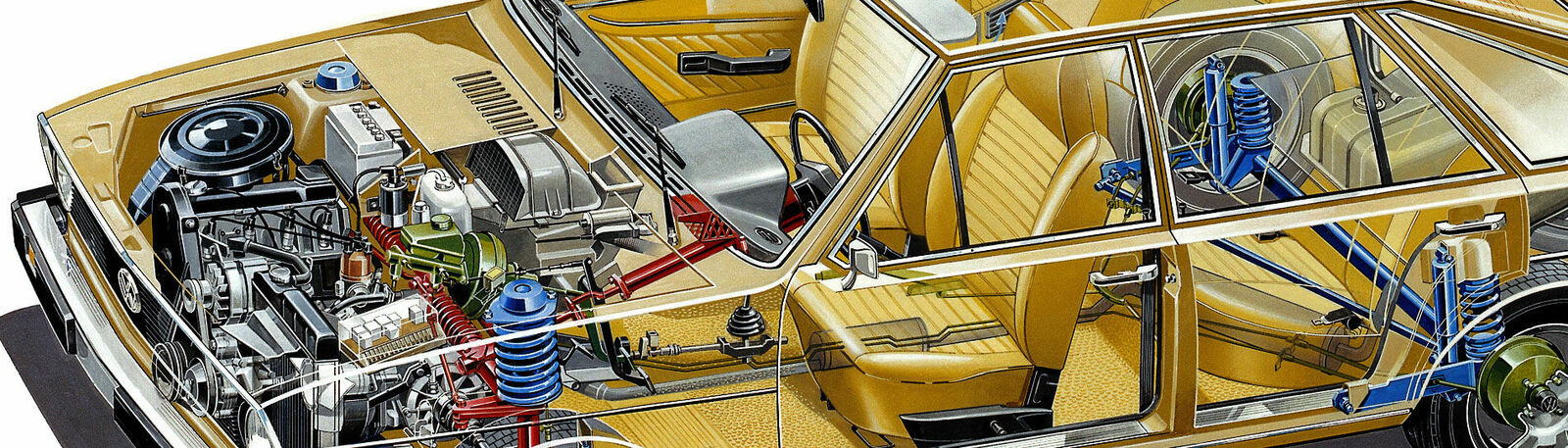
The new generation of Volkswagens arrived at the right time. It helped Volkswagenwerk AG out of the grave situation caused by the oil crisis of 1974/75 and the global recession that acutely threatened the company’s liquidity. The positive response to the Passat and the sales successes of the Golf, which led the German new car registration statistics from 1975 and instigated the compact car class, eased the overall reduced demand for automobiles on the domestic market. While the sales of other manufacturers declined by as much as 40 percent, Volkswagen was able to stabilise its 1975 figures at the previous year’s level. Most of the financial losses resulted from declining exports to Europe and North America. Earnings also declined in South Africa and Mexico, in spite of Volkswagen’s position as market leader, as costs exploded due to inflation and the exchange rate shifts could not be offset by price increases. The decline in sales on the export markets led to overcapacity at the domestic plants, with capacity utilisation dropping to 61 percent in 1975. Aligning production to sales necessitated a substantial reduction of the workforce. After some initial conflict, this was achieved in a socially acceptable manner by mutual agreement between the General Works Council and the company management. In 1976, Volkswagenwerk AG increased sales by more than 15 percent; the Volkswagen Group had overcome the crisis.
Basic Info Sub Page
1961 to 1972 – Boom and Crisis in the One-Product Business
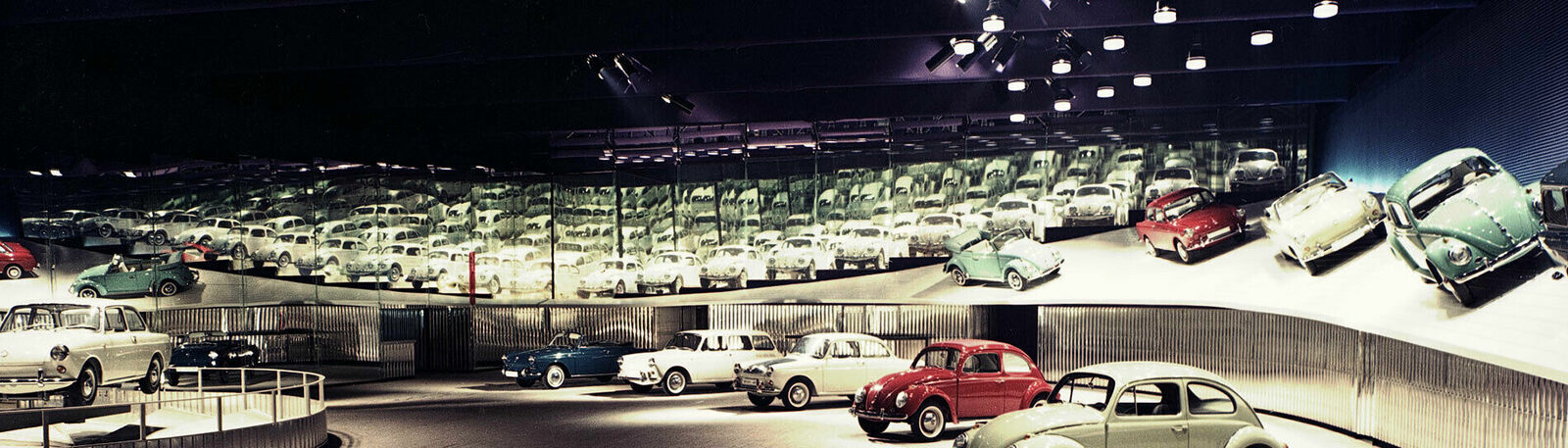
In order to improve competitiveness, Volkswagen examined the possibilities for co-operative ventures with Daimler-Benz AG. The restructuring undertaken in 1964 left the Wolfsburg car-maker with production of vehicles of less than 2 litre capacity. Volkswagen used the opportunity to acquire an initial 75.3 percent share in the Daimler-Benz subsidiary Auto Union GmbH on January 1, 1965. The business’s assets included a yearly capacity of 100,000 vehicles, 11,000 employees, a sales network with 1,200 dealerships and a new generation of engines. On the debit side, however, were large stockpiles of vehicles and a substantial financial crisis, because Auto Union GmbH was building a comparatively low-quality yet costly vehicle, which was consequently difficult to sell. Immediate organisational and model policy changes were needed to get Volkswagen’s new subsidiary out of the red. The Audi 72, quickly remodelled by the designers from the DKW F 102 and built at the plant in Ingolstadt starting in September 1965, failed to deliver a financial breakthrough. The model did, however, form the core of a new range maintained by Audi as an independent brand within the Volkswagen Group.
Basic Info Sub Page
1950 to 1960 – Internationalisation and Mass Production in the Era of Germany’s Economic Miracle
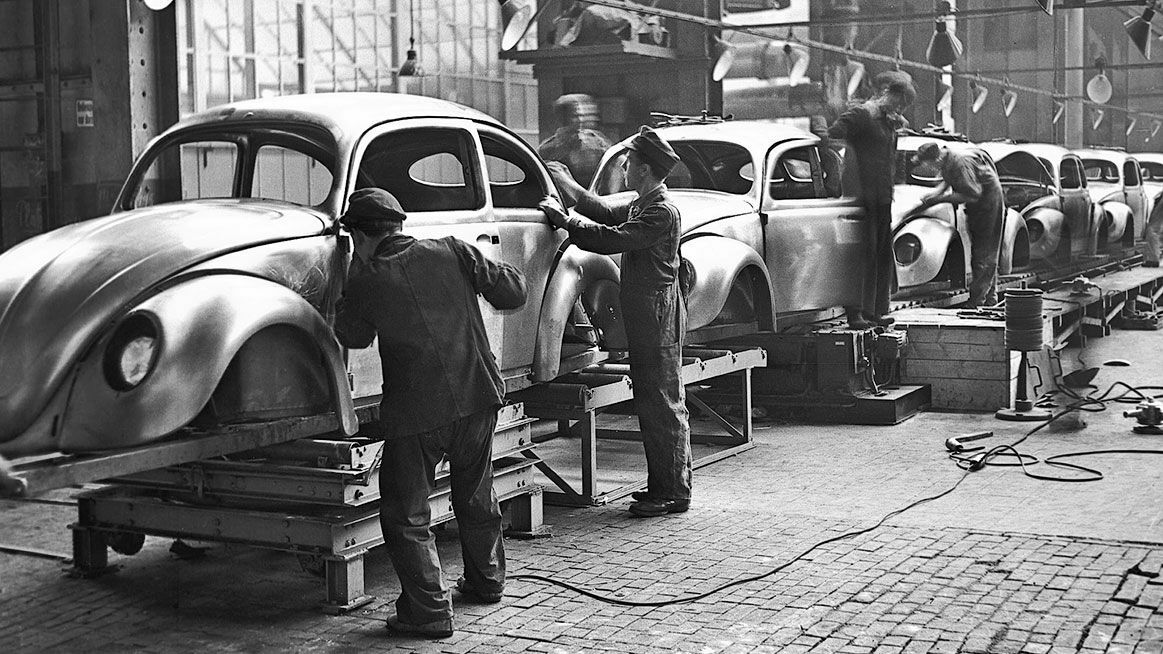
Volkswagen was already considered a symbol of West Germany’s Economic Miracle, or “Wirtschaftswunder”, even by its contemporaries. The company’s success matched that of the Beetle itself. The factory’s capacity as well as the rationalisation initiative introduced in 1954 created the technical preconditions for mass production of the Volkswagen Saloon and the Transporter. Volkswagen was able to shape its long-term growth strategy by combining mass production, global market orientation and the integration of its workforce. In 1950, the Wolfsburg company exported one third of its car production to 18 countries, most of them in Europe. The main export markets were Sweden, Belgium, the Netherlands and Switzerland. By exporting 1,253 vehicles to Brazil for the first time, South America emerged as a second important focus of the company’s activities, especially at a time when the import of US models there almost came to a complete stop because of a shortage of dollar reserves. Volkswagen gave priority at an early stage to supplying this key future market.
Basic Info Sub Page
1945 to 1949 – The Work of the British
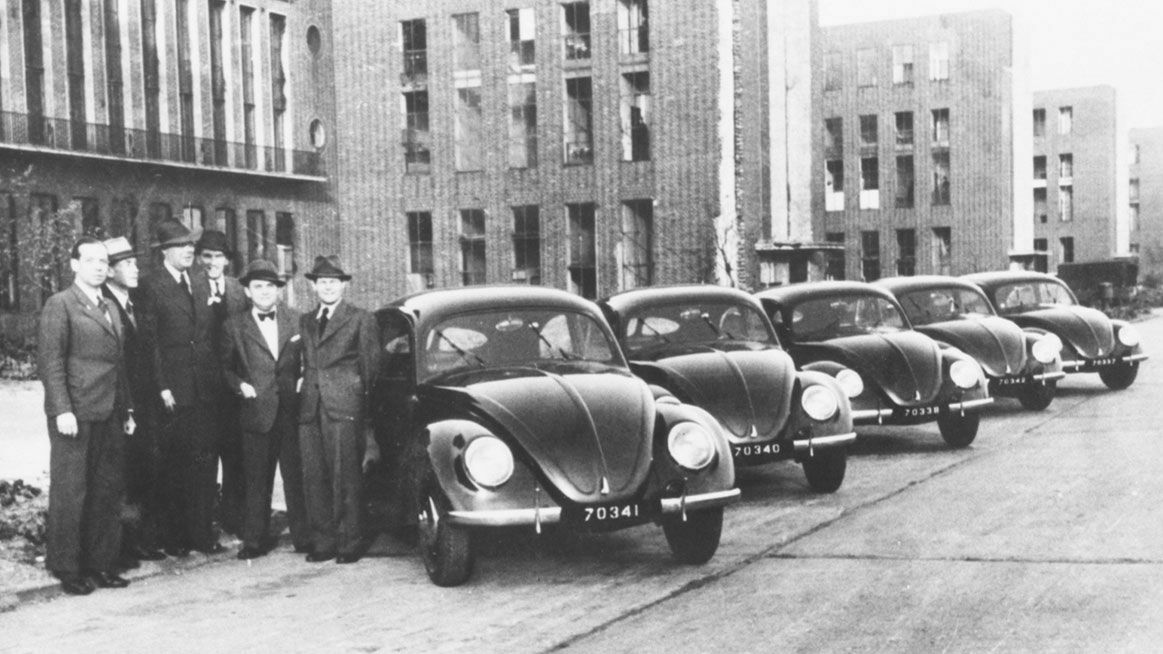
The occupation of the factory by American troops in April 1945 marked the beginning of the transition from armaments production to a civilian automotive concern, generating hope for a better future. As the largest and most important employer in a region with little industry, Volkswagen guaranteed the survival of the local population. The factory provided work, housing and food. These functions were certainly in the minds of the British Military Government when they took over the administration of the firm in trusteeship in June 1945. Their decision to reinstate peacetime production and the assembly line manufacturing of the Volkswagen saloon was primarily a decision made in their own interest. By assuming the responsibilities of an occupying force, their need for additional means of transport increased, especially since the war diminished the number of available British military vehicles. The production requirement for the occupation forces and British pragmatism saved Volkswagen from threatened dismantling.
Basic Info Sub Page
1937 to 1945 – Founding of the Company and Integration into the War Economy
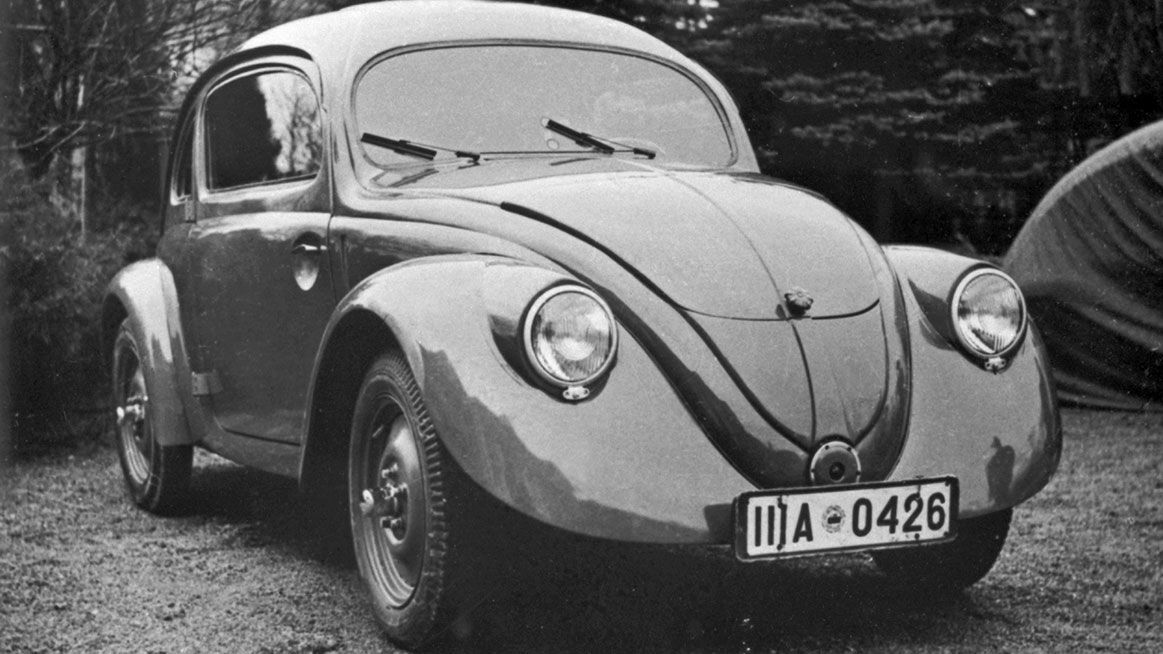
This impasse was broken in January 1937, as responsibility for the project was assumed by the Deutsche Arbeitsfront (DAF), or German Labour Front, a unified organisation encompassing both employers and employees, which was looking for a prestige project to polish up its image. In the same period, in early April 1937, testing of the 30-vehicle W30 series began, involving more than two million kilometres of trials in total. On May 28, 1937, the DAF in Berlin established the “Gesellschaft zur Vorbereitung des Deutschen Volkswagens”, or “Corporation to prepare the way for the German People’s Car”, which on September 16, 1938 was renamed Volkswagenwerk GmbH. In February 1938 work began on a site east of Fallersleben on the Mittelland canal to construct the main plant, which was designed to operate as a vertically structured and largely autonomous model factory. The target was to produce 150,000 units in the first year after the plant’s scheduled opening in Autumn 1939, and 300,000 in the second year, with capacity increasing to 450,000 units by the year after. The medium-term target was to build 1.5 million “People’s Cars”. The workforce was planned to grow from 7,500, to 14,500, and ultimately to 21,000 people. There was no financing for the estimated investment of some 172 million Reichsmarks in the site and 76 million Reichsmarks for the machine plant. Revenues from the sale of property confiscated from the now disbanded independent trade unions were earmarked to help pay for the investment.
Basic Info Sub Page
1934 to 1937 – The “German People’s Car” as a “Communal Project” of the German Automotive Industry
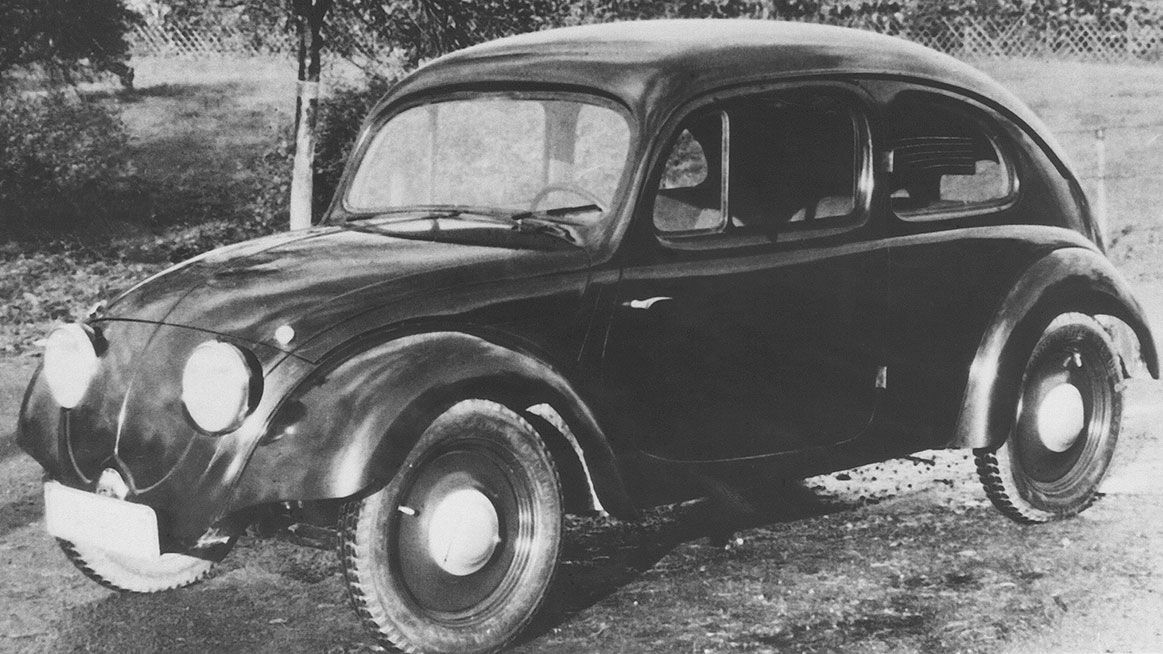
The introduction of tax breaks and the promotion of motorsport in 1933 regenerated the automobile market. The end of the global financial crisis was in sight. Car-makers and designers such as Ferdinand Porsche hoped that the burgeoning recovery would entail a fundamental shift towards mass motoring. On January 17, 1934, Ferdinand Porsche submitted to the Reich Ministry of Transport a “Memorandum on the construction of a German People’s Car”, setting forth a “fully practical vehicle” for four adults, “of normal size but relatively light weight”, with a cruising speed suitable for the recently built autobahn network of 100 kilometres per hour. Thanks to his technical repute, boosted by the many motorsport victories of his Silberpfeil (Silver Arrow) design, Porsche’s idea was taken up by Adolf Hitler.
Basic Info Sub Page
1904 to 1933 – From the Automotive Dream to the Volkswagen Idea
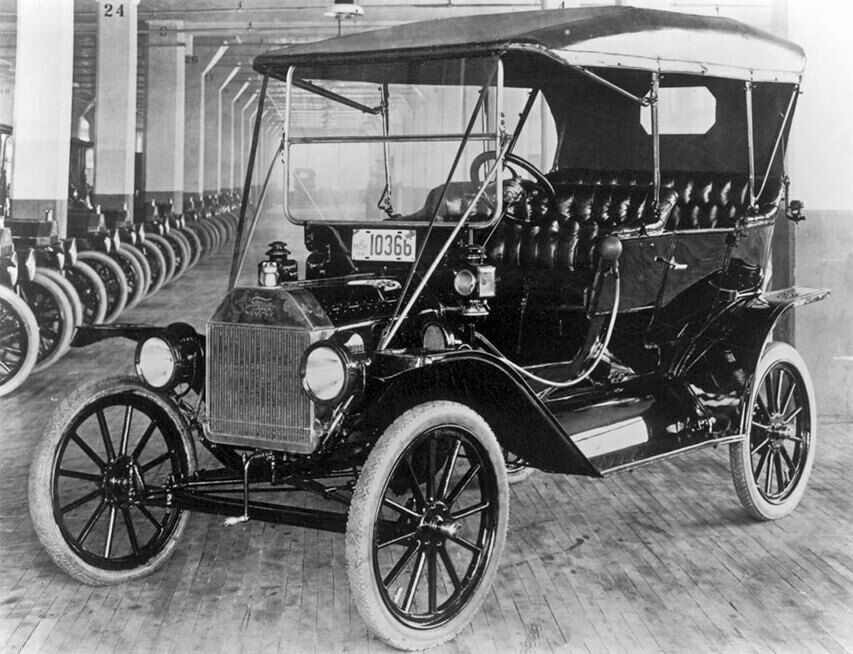
In the early 20th century the motor car was still a rare mode of transport. There were barely 16,000 throughout all of Germany in 1910. Some were driven as a form of adventure sport, while others were considered a mark of prestige. Cars remained the preserve of the rich and the beautiful people: Hand-crafted models from Benz, Daimler and Glaser were owned by Kaiser Wilhelm II, as well as by steel magnates and bankers. A large number of makes were serving a very small luxury market.