What affects the service life of an electric car battery?
A: Electric car batteries are designed for a long service life – and proper use can help extend their lifespan. How quickly a battery ages depends on charging cycles and charging power, state of charge, temperature and cell chemistry.
Everyday tips:
- Keep the battery between 20 and 80 percent and only charge it fully before longer journeys.
- Avoid leaving the vehicle parked for extended periods with a very high or low state of charge.
- In hot weather, park in a garage or in the shade whenever possible.
Real-world experience demonstrates how durable modern electric car batteries can be: They can achieve mileages of up to 300,000 kilometers. Volkswagen guarantees that, for eight years or 160,000 kilometers, the battery will retain at least 70 percent of its original usable capacity.
How do manufacturers differ in battery production for electric cars?
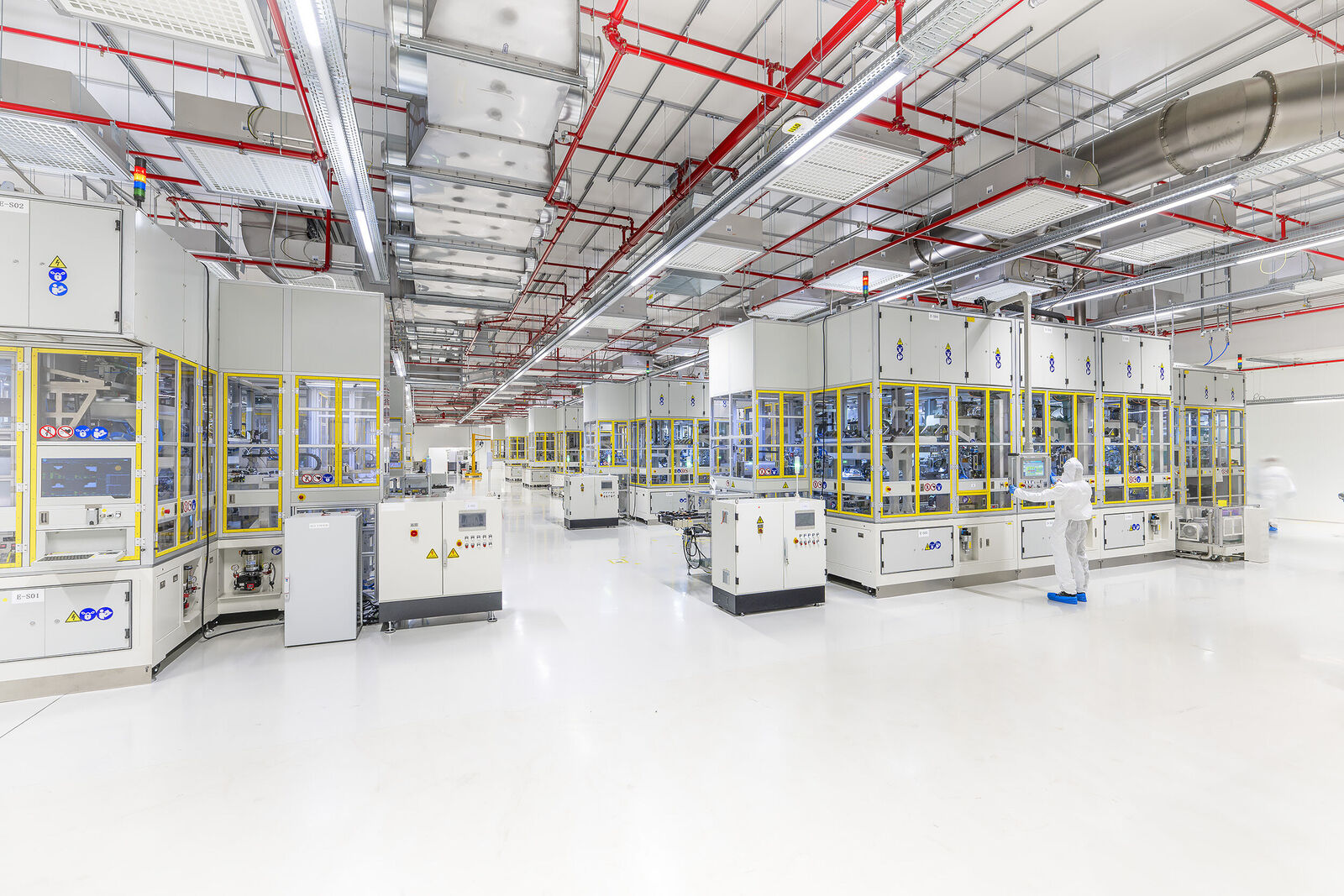
A: Manufacturers pursue different strategies for electric car batteries – from cell chemistry and cell format to in-house production. Some develop and produce battery cells themselves or together with partners, while others source them from specialized cell manufacturers. There are also differences in raw material sourcing, recycling and production locations.
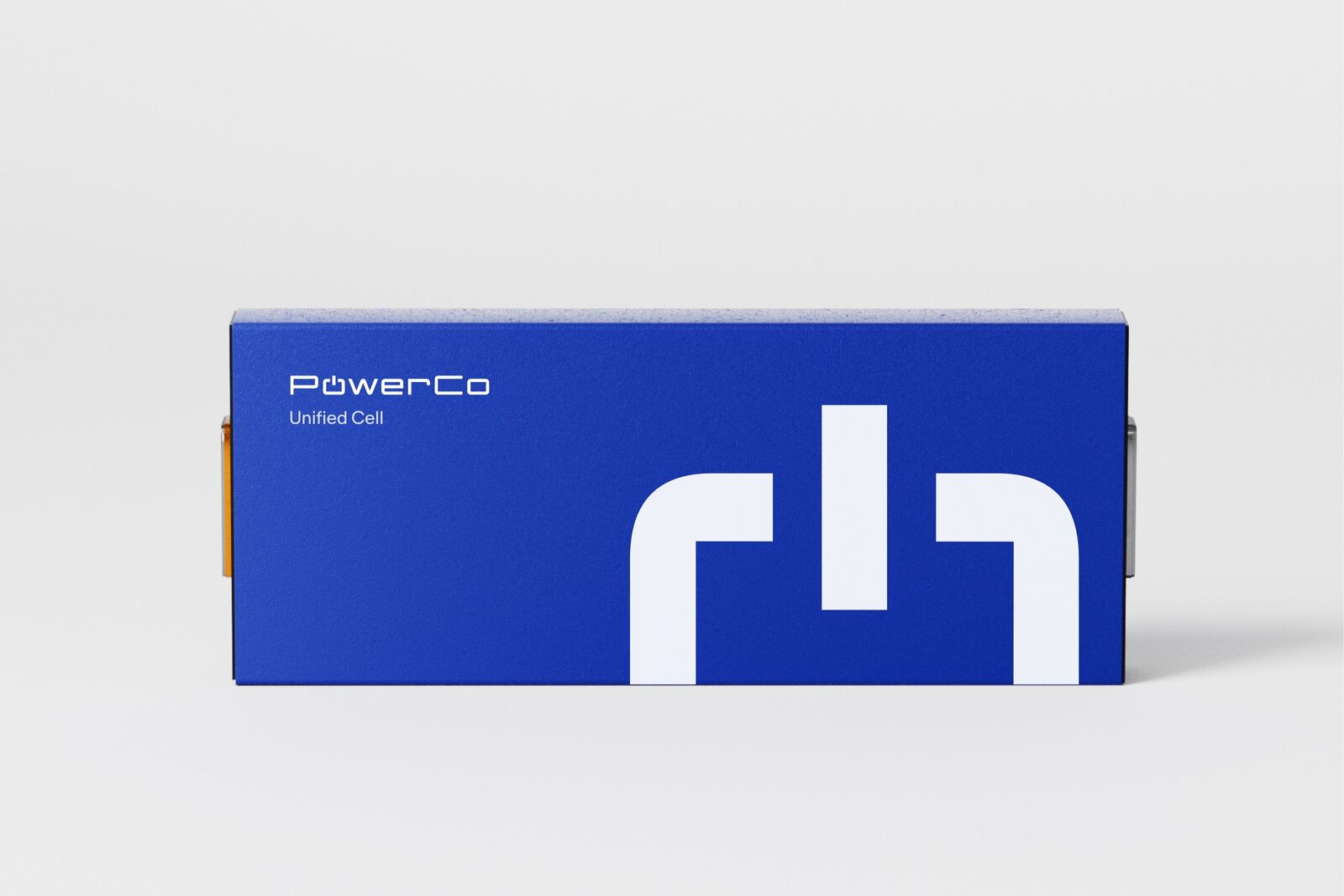
The Volkswagen Group consolidates its battery activities under PowerCo and relies on the Unified Cell. Volkswagen is taking on an increasing number of steps in the battery value chain itself – including raw material sourcing, recycling and production in its own cell factories.
Which cell technologies are used in modern electric car batteries?
A: Modern electric cars primarily use lithium-ion batteries with different cell chemistries:
- NMC cells with nickel, manganese and cobalt offer high energy density – for long range with low battery weight.
- LFP cells with lithium iron phosphate do not require nickel or cobalt. They are more cost-effective and particularly durable – making them attractive for more affordable electric cars.
The Volkswagen Group uses different cell chemistries for its Unified Cell. This allows battery technology to be adapted to vehicle classes and requirements.
Which battery technologies are considered particularly promising for the future of electric cars?
A: Solid-state batteries are particularly promising. In the future, they could enable higher energy density – and therefore greater range, shorter charging times and greater safety. The technology also promises significant advances in service life: Driving ranges of 500,000 kilometers could become possible.
There is also still significant potential for further development in today’s lithium-ion batteries. New cell chemistries and production processes can further increase their energy density, shorten charging times and reduce costs. This will make proven battery technologies more powerful and economical.
With our battery company PowerCo, we are consistently advancing both technologies.
How sustainable is the extraction of battery raw materials?
A: Extracting battery raw materials such as lithium, nickel, cobalt and graphite presents environmental and social challenges. Mining and processing can require significant amounts of water and energy, affect ecosystems or put labor and human rights at risk.
The Volkswagen Group aims to identify and reduce these risks at an early stage. To do so, it reviews its supply chains and conducts audits of suppliers, refineries and mines. The Group works, among others, with the independent Initiative for Responsible Mining Assurance (IRMA). At the same time, recycling is becoming increasingly important: Valuable raw materials are recovered from old batteries and used for new batteries.