



The professorship aims to tap into the full spectrum of artificial intelligence within mobility research – from virtual product development and mechatronic systems to autonomous driving functions and the analysis of real world vehicle usage data. In doing so, it strengthens research at the interfaces of modern mobility systems and provides impulses for new AI based development processes.
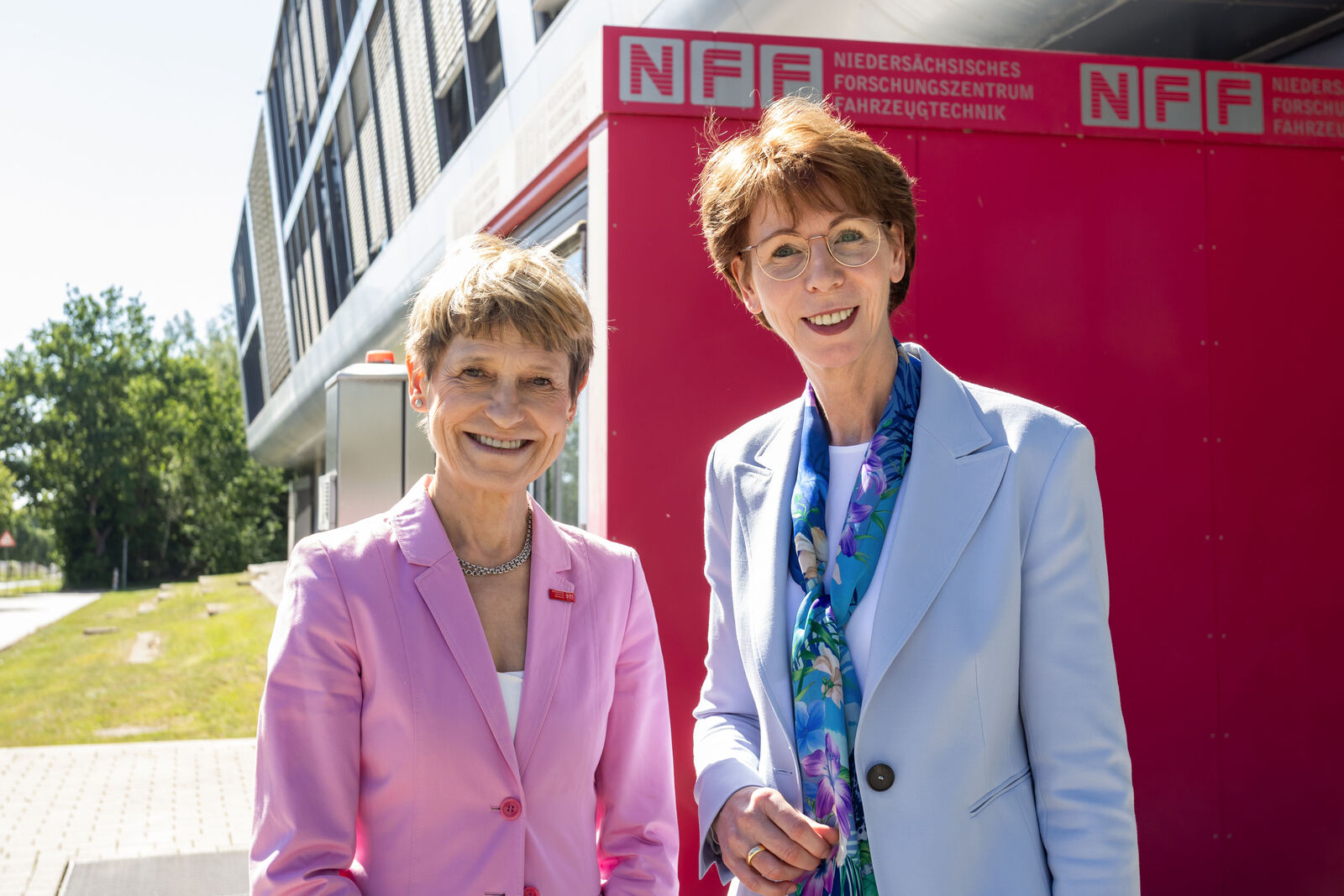
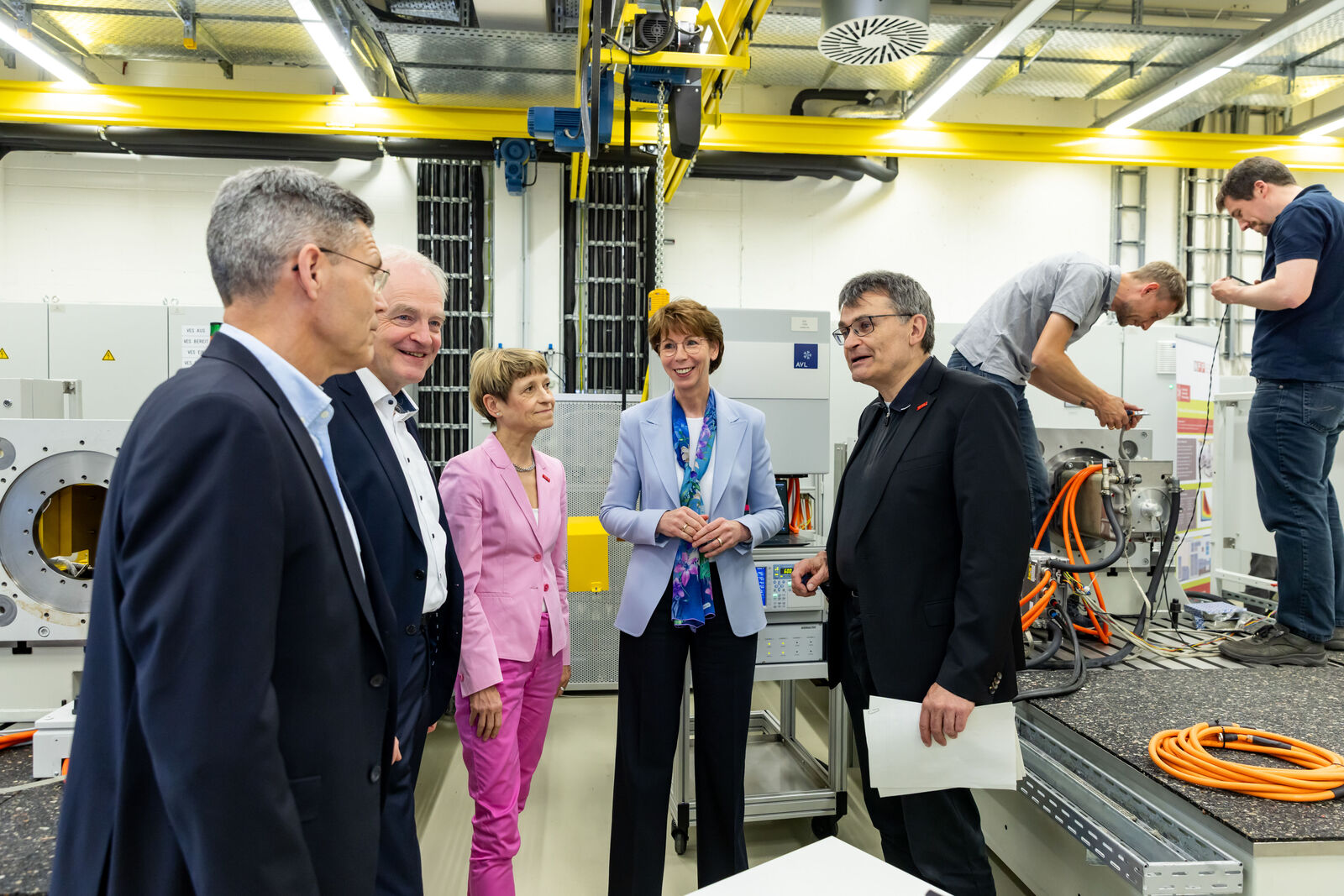
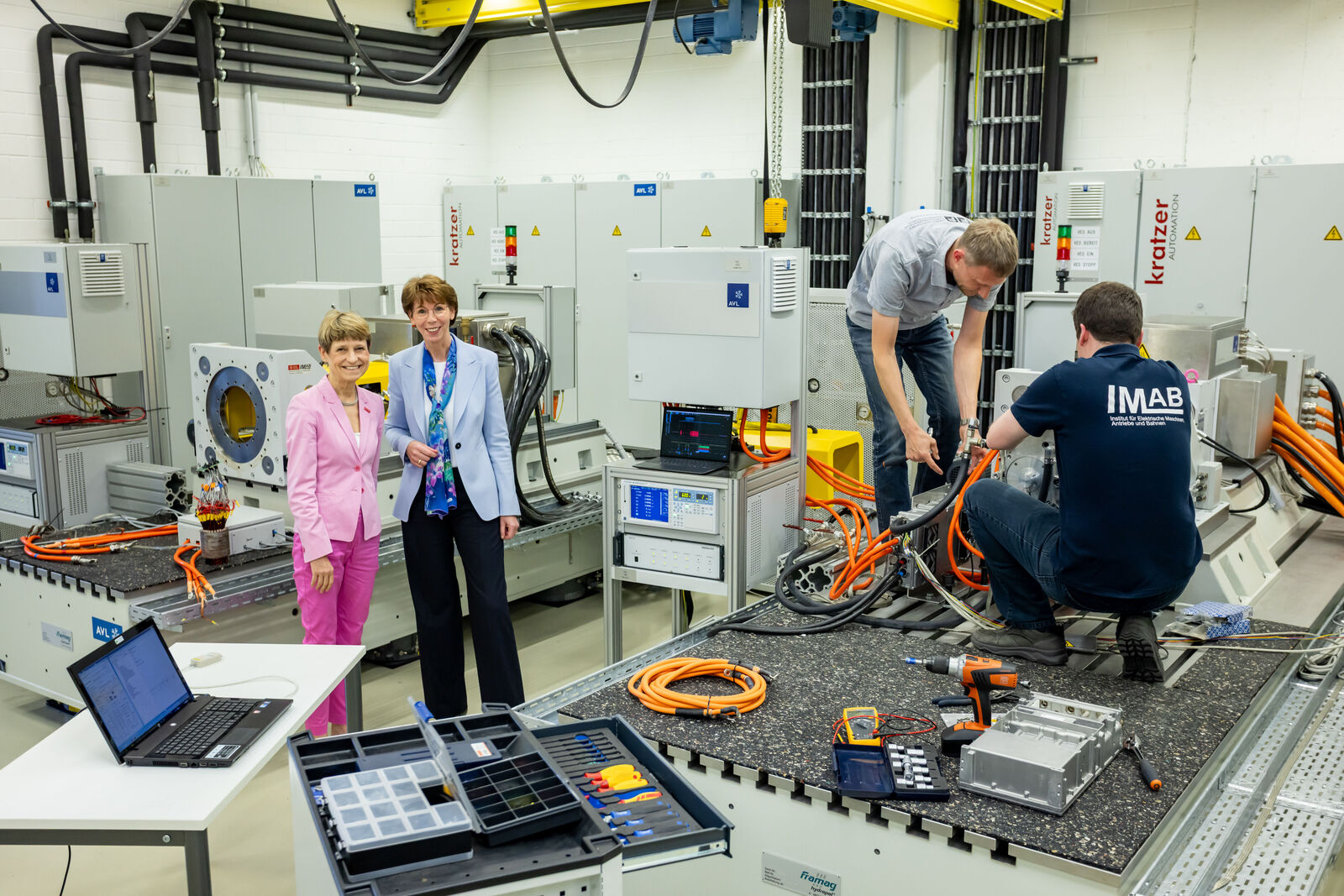
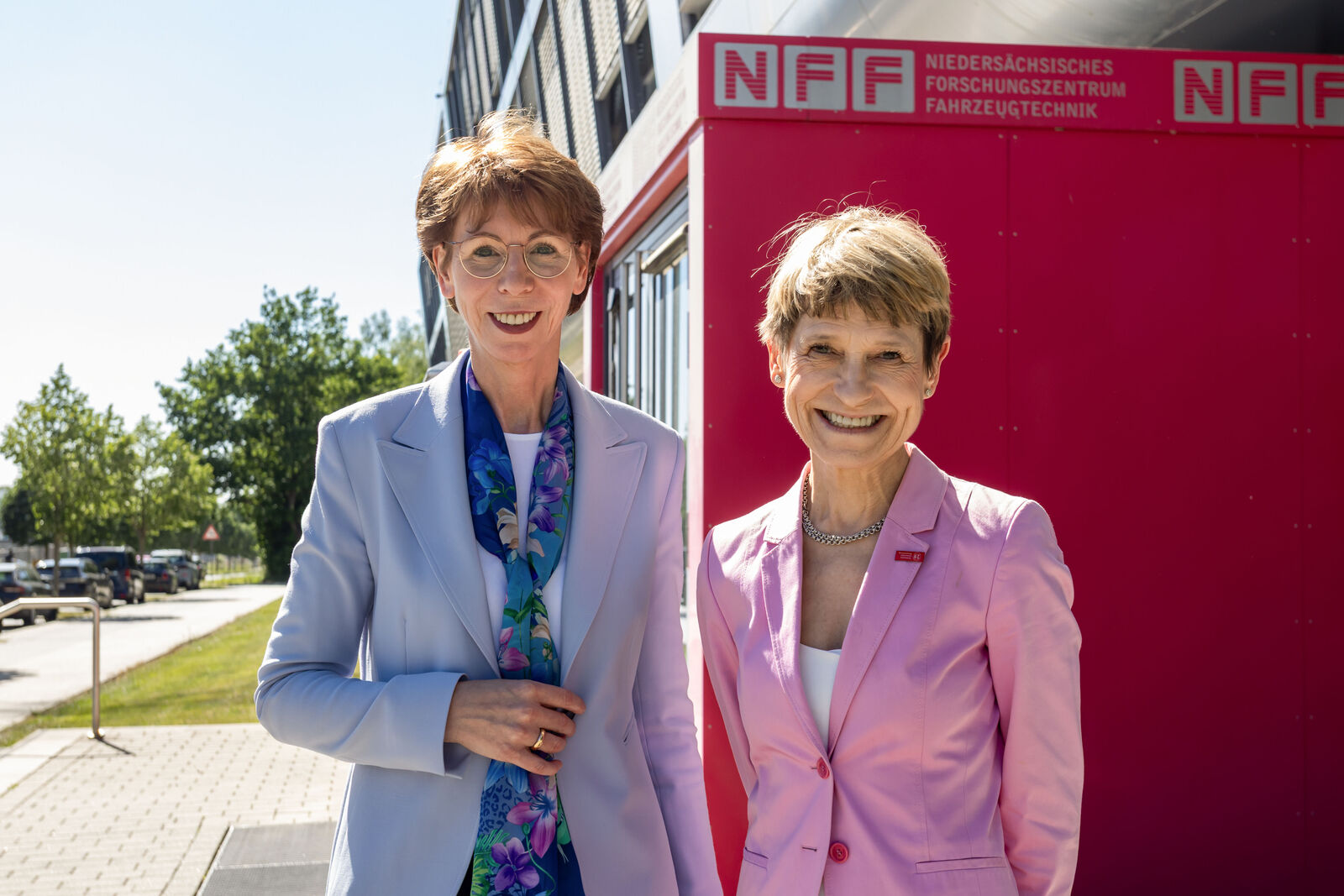
The professorship will be located at the Institute of Engineering Design at TU Braunschweig and will work closely with the University’s own Automotive Research Centre Niedersachsen (NFF: Niedersächsisches Forschungszentrum Fahrzeugtechnik). With more than 1,000 researchers, over 40 institutes, and more than 50 corporate partners, the NFF is one of Europe’s strongest mobility research centers. The position is planned to be filled promptly, ideally by October 2026. After five years, it is intended to transition into a tenured professorship.
“Artificial intelligence is a key technology for the future of the Volkswagen Group,” said Hauke Stars, Volkswagen Group Board Member for IT. “By leveraging AI technologies, we are accelerating our processes and bringing new products and technologies to market significantly faster. We are consistently expanding our expertise required for this. With the new professorship at TU Braunschweig, we are specifically strengthening cutting-edge research in Germany. The close transfer of knowledge between research and industry enables us and our partners in the supplier industry to secure crucial know-how at an early stage.”
“Artificial intelligence is fundamentally transforming product development,” says TU President Angela Ittel. “Software shapes modern vehicles, their development, and their production more than ever before. AI is the driving force for the next generation of mobility. To advance top level research with high societal relevance, close collaboration between science and industry is essential. I am proud that together with our long standing partner, the Volkswagen Group, we are realising this professorship. In doing so, we are strengthening AI research in a targeted way and creating the foundation for concrete contributions to the mobility of the future. Especially now, this is the right step: We must invest to drive innovation forward.”
The professorship is also intended to act as a driver for further expanding the regional innovation ecosystem in Lower Saxony and to involve suppliers, start ups, and additional research partners. It strengthens the transfer from science into industrial practice by incorporating practical requirements into research. In this way, it accelerates the scaling of innovative technologies and the sustainable transformation of industrial applications.
Note to editors: AI in product development
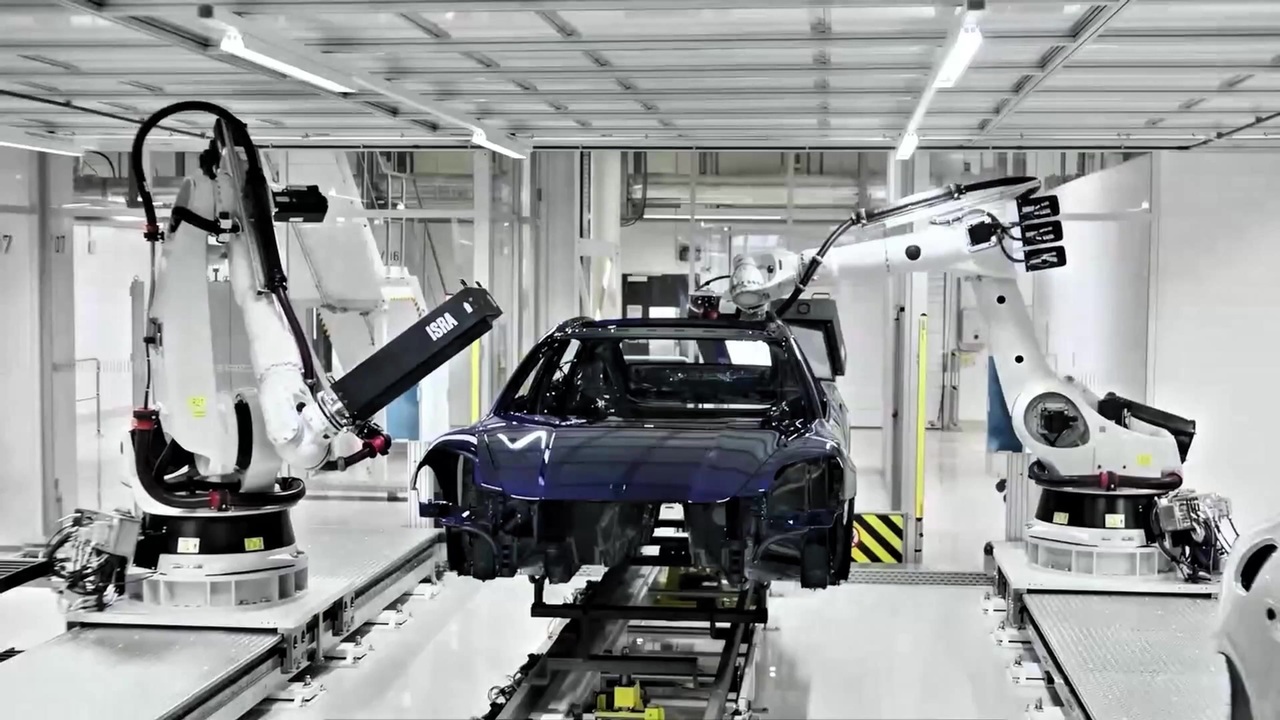
The technical complexity of modern automobiles is steadily increasing - and with it the need for high-performance technologies across the entire product lifecycle, from development to production. Artificial intelligence plays a central role in this context. One of the most important AI-driven applications in development is the use of digital twins: fully digital, AI-based models of vehicles and components. These enable early adjustments to development stages, the generation of new design and engineering concepts, and comprehensive testing. This level of variety and speed can no longer be achieved with physical prototypes alone.
In the medium term, AI agents are becoming increasingly important. These are semi-autonomous programs that independently handle granular tasks such as software testing, thereby significantly accelerating development processes. Attention is also being paid to so-called foundation models: these are complex AI systems equipped with cross-domain data – in the future, potentially also including data from suppliers – that bring together all stages of product development in a seamless, integrated digital workflow and continuously optimize them.