






One example is the pay guarantee. If employees of Volkswagen AG are transferred to a lower-grade position due to operational changes, the collective agreement secures their previous pay for a further five years. A supplementary plant-level arrangement also regularly results in their previous pay being maintained permanently. The company is therefore calling for a move closer to the industry standard.
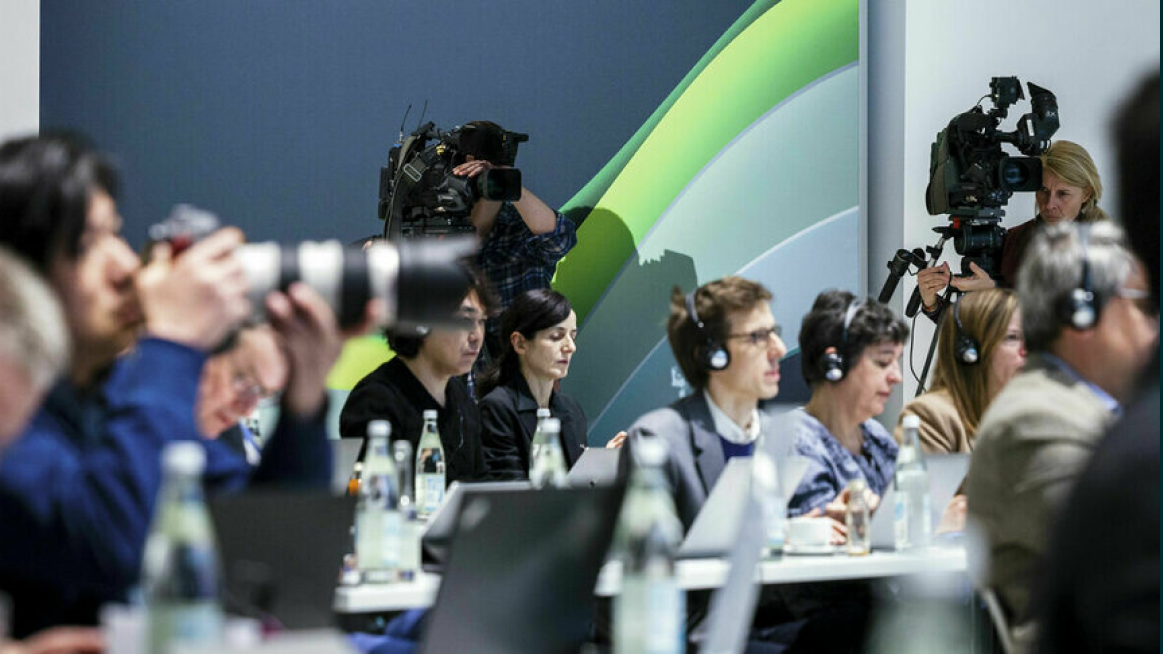
Emden. Today, the negotiating committees of Volkswagen AG and IG Metall met in Emden for the first session of the 2026 collective bargaining talks. The discussion focused on the demands that the company submitted to the union last Thursday. These include a pay freeze for 2027 and 2028, the elimination of special payments and pay components negotiated by the company and IG Metall in economically stronger times, as well as safeguard and pay compensation mechanisms.
- Today, the negotiating committees of Volkswagen AG and IG Metall met at the Nordseehalle in Emden for the first session of the 2026 collective bargaining talks. Volkswagen AG’s two chief negotiators reaffirmed the company’s demands. The goal is significant relief in labor costs.
- The need for action has continued to increase since the 2024 collective bargaining negotiations. In light of economic developments, the cost measures agreed at that time are no longer sufficient on their own. To remain competitive, the company has to revise and renegotiate collectively agreed provisions. It also needs more flexibility to respond quickly and to changing requirements.
- Under its Future Plan 2030 (Group Target Picture), the Volkswagen Group is realigning all key areas of the business in twelve initiatives, from the product portfolio to new growth areas. Efficiency programs in development, procurement, production, quality and sales alone are set to reduce costs across the Group by billions of euros by 2030 compared with current planning. Collective bargaining measures are one part of this comprehensive program to strengthen the company’s competitiveness.
“The automotive industry is facing challenging times. Markets like China are changing rapidly and regulation is complicating global trade. We began the review talks with IG Metall in September. Since then, our economic environment has deteriorated further. We are focused on strengthening our competitiveness. To do that, we have to reduce labor costs, especially in Germany. We need to reach an agreement quickly and cannot afford to lose time.”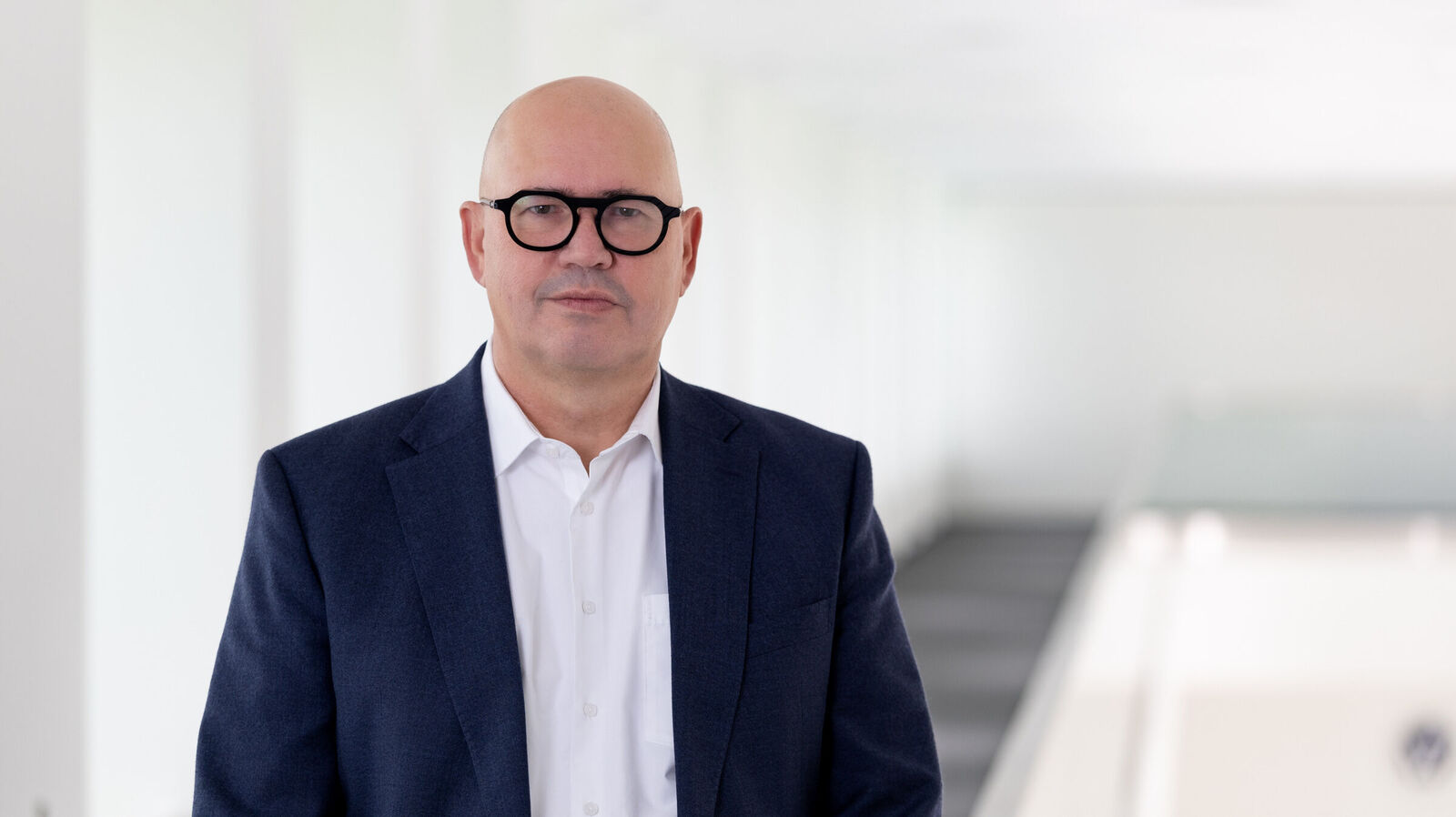
“In good times, Volkswagen Group could afford a lot and our employees always benefited from that. Now, the entire automotive industry is going through a tough phase and we have to set the right course. We are aware that the list of demands presented today involves hardships. But these efforts are necessary to safeguard as many industrial jobs as possible at Volkswagen Group.”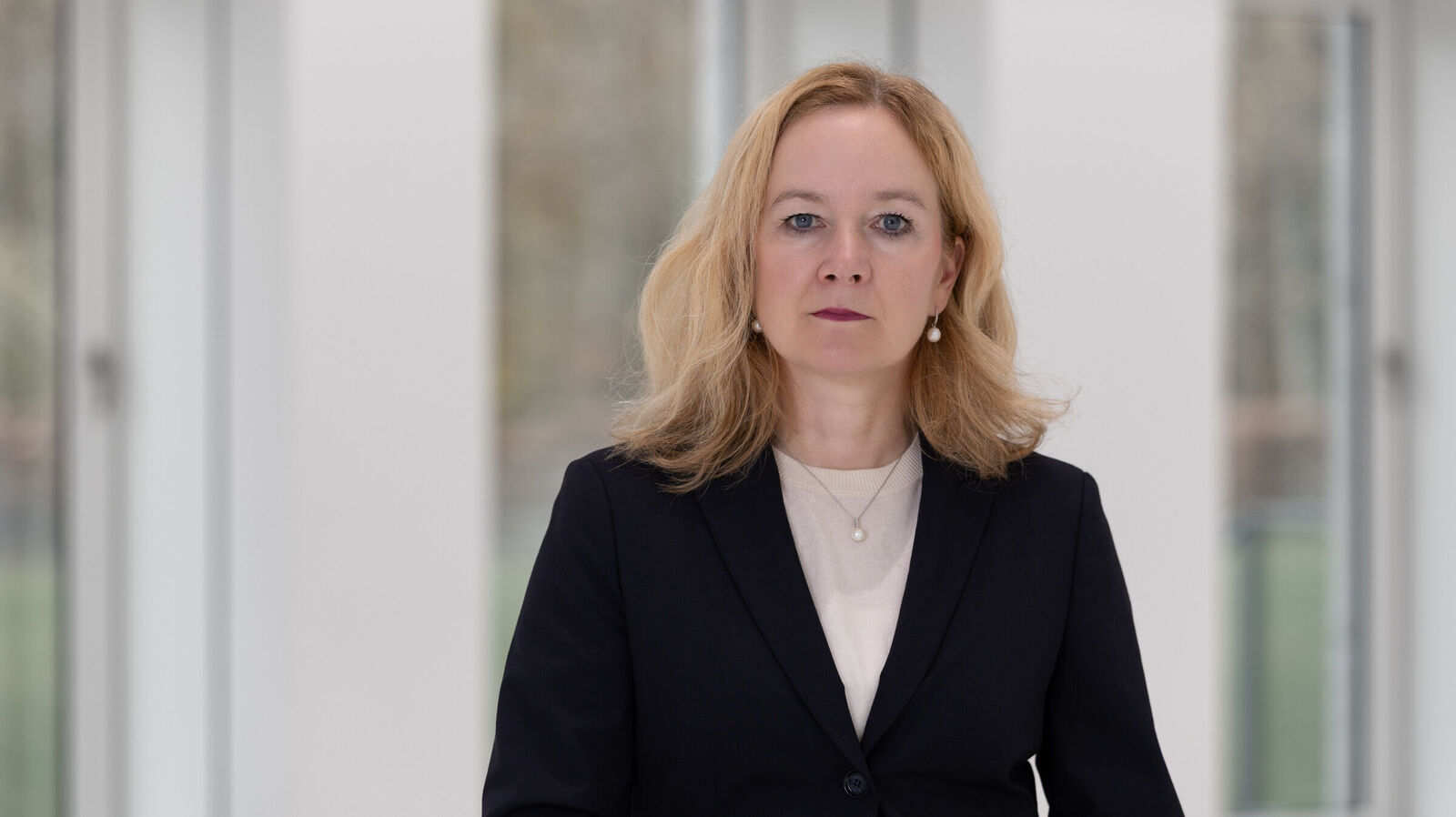
Under its Future Plan 2030 (Group Target Picture), the Volkswagen Group is realigning all key areas of the business in twelve initiatives, from the product portfolio to new growth areas. Efficiency programs in development, procurement, production, quality and sales alone are set to reduce costs across the Group by billions of euros by 2030 compared with current planning. The focus is on leaner development processes, lower material costs and reduced manufacturing, warranty and sales costs. Collective bargaining measures are one part of this broader program to strengthen the company’s competitiveness.
The next round of collective bargaining negotiations will take place on December 15, 2026, in Zwickau. The peace obligation for the collective agreements that have been terminated ends on December 31, 2026.