



The Volkswagen Group is now entering the next phase of transformation. Over the past three years, the Group has structurally realigned itself on the basis of its Top-10 programs and undergone a technological overhaul, accompanied by performance programs across all brands and Group companies. Key targets across products, technology and regions have been met – in some cases ahead of schedule. This was achieved despite massive geopolitical and external financial headwinds, which were largely offset.
Over the past twelve months, the global situation has continued to change dramatically. Geopolitical tensions, rising costs – driven primarily by tariffs – growing regulatory requirements and an increasingly intense global competitive environment have compounded the challenges facing the automotive industry in an already far-reaching phase of transformation.
Overview: Future Plan for the Next Phase of Transformation
The Executive Board of the Volkswagen Group is continuing the strategic realignment of the company to sustainably strengthen its competitiveness. The Executive Board presented the Supervisory Board with a comprehensive package of measures comprising 12 initiatives and the 2030 target picture. In the global market environment, it is essential to make the company even more resilient, efficient and agile. The Executive Board has already begun implementing initial measures of its future plan.
Streamlined Model Lineup and Reduced Offering Complexity
The model lineup will be gradually streamlined by up to 50 percent and concentrated on the most attractive market segments. Offering complexity – for example, the number of available equipment options – will be reduced by up to 75 percent. This allows investments and development resources to be focused on the products and technologies that deliver the greatest added value for customers and the highest value contribution to the Group.
Harmonized Technology Fields
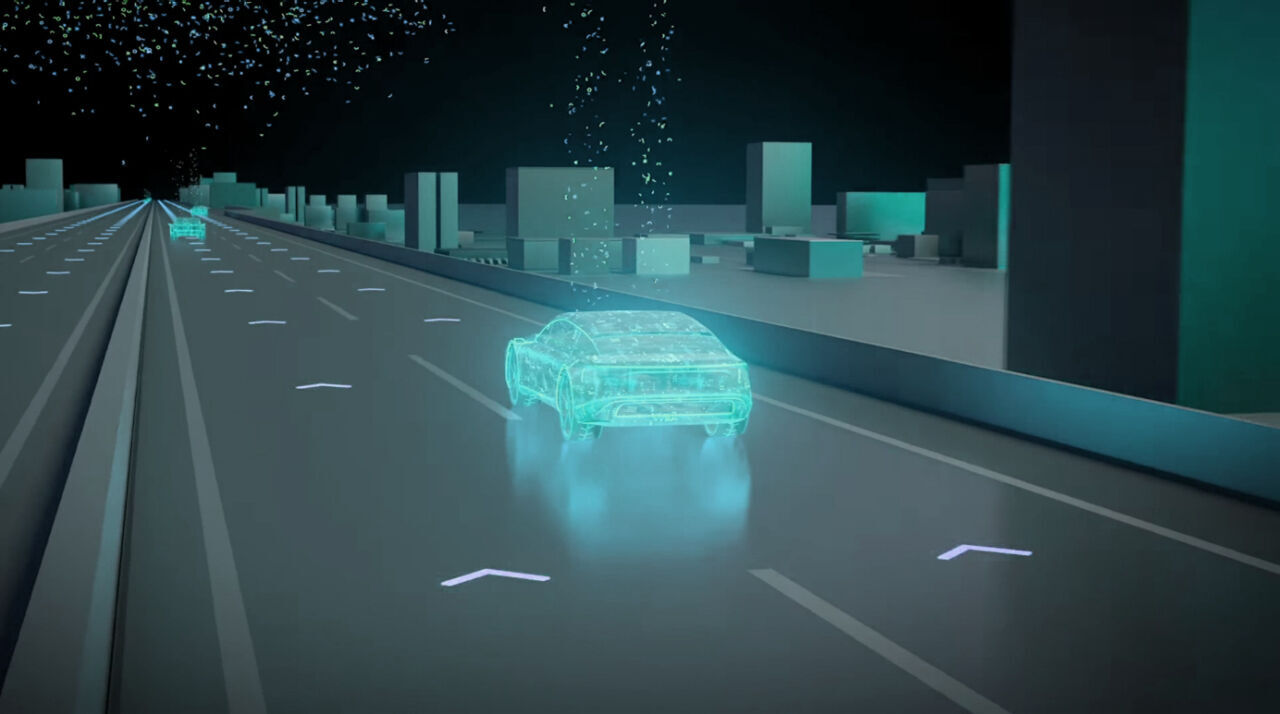
The key technology fields of platforms, electronic architectures and software landscapes will each be harmonized and concentrated to meet the requirements of the western and eastern hemispheres respectively. The objective is to realize Group-wide synergies more effectively, eliminate technological parallel structures, and further strengthen technology leadership. To this end, the Volkswagen Group is focusing on competitive technologies with high scaling potential and clear customer benefit.