


How the Volkswagen Group is enhancing its future viability
The Volkswagen Group reduces complexity, sharpens its focus and aligns products and technologies clearly toward the future.
The Volkswagen Group accelerates its transformation with clear strategy, focus and efficiency – articles and interviews provide insights.
The Volkswagen Group reduces complexity, sharpens its focus and aligns products and technologies clearly toward the future.

With focus, efficiency and cost discipline, the Volkswagen Group enters the next phase of its transformation.
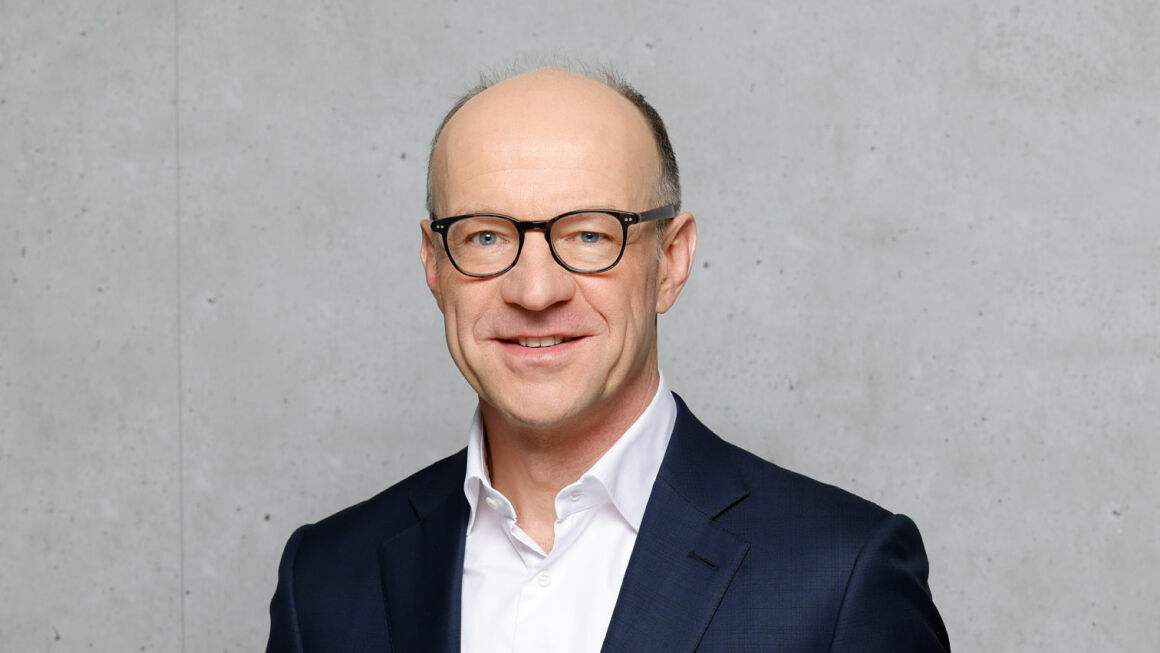
Why is the Volkswagen Group lowering its outlook for fiscal year 2026? In this interview, Arno Antlitz, the Group’s CFO and COO, explains the reasons behind the revised operating return on sales forecast, the pressure on international automotive markets, special effects impacting operating profit, and the significance of the future roadmap, “Group Target Picture 2030.”
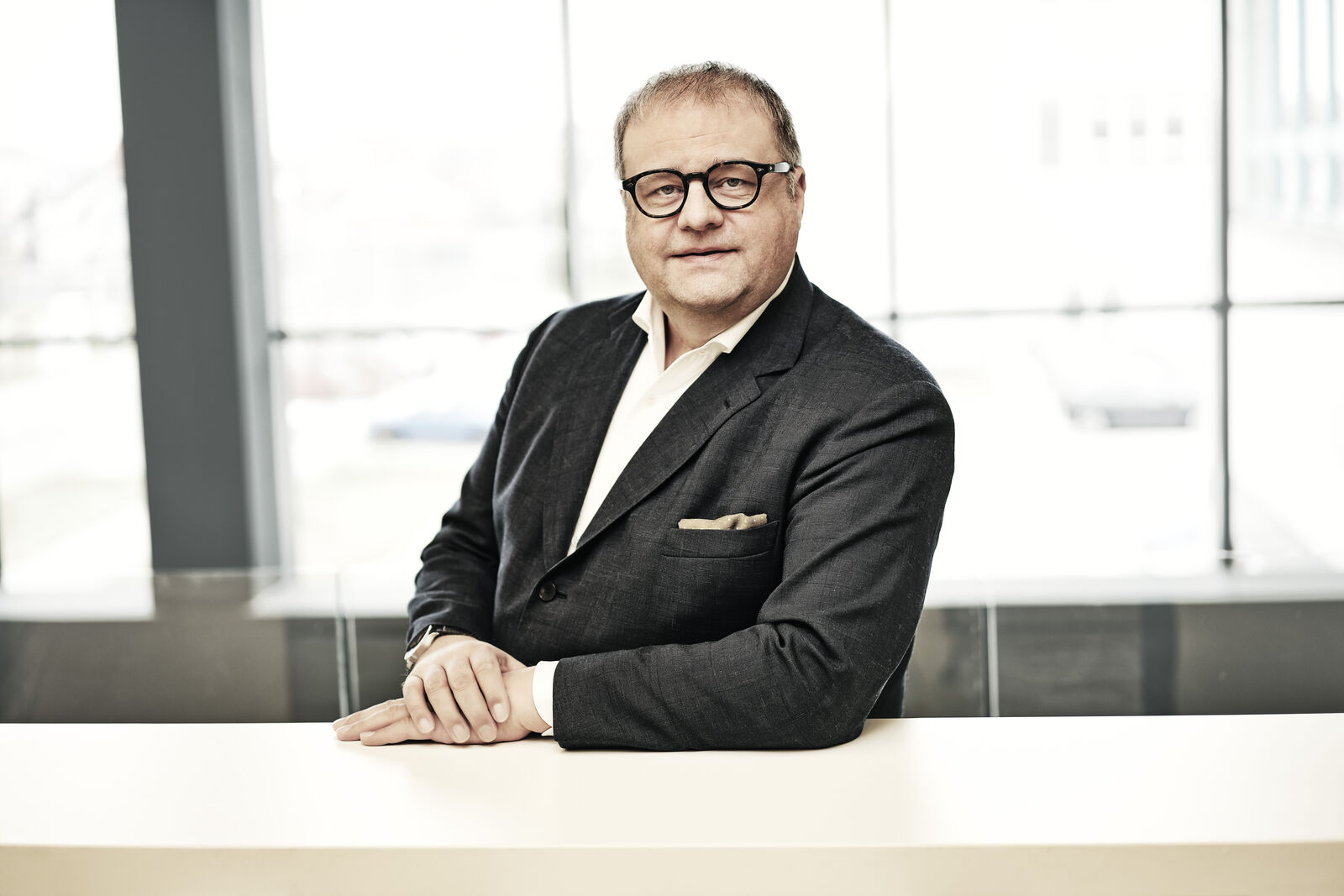
How can Volkswagen cut costs, strengthen supply chains and accelerate innovation at the same time? In this interview, Karsten Schnake, Board Member for Procurement at the Volkswagen brand, explains how economies of scale, reduced complexity, value engineering and strategic partnerships are driving the transformation and competitiveness of the Volkswagen Group.
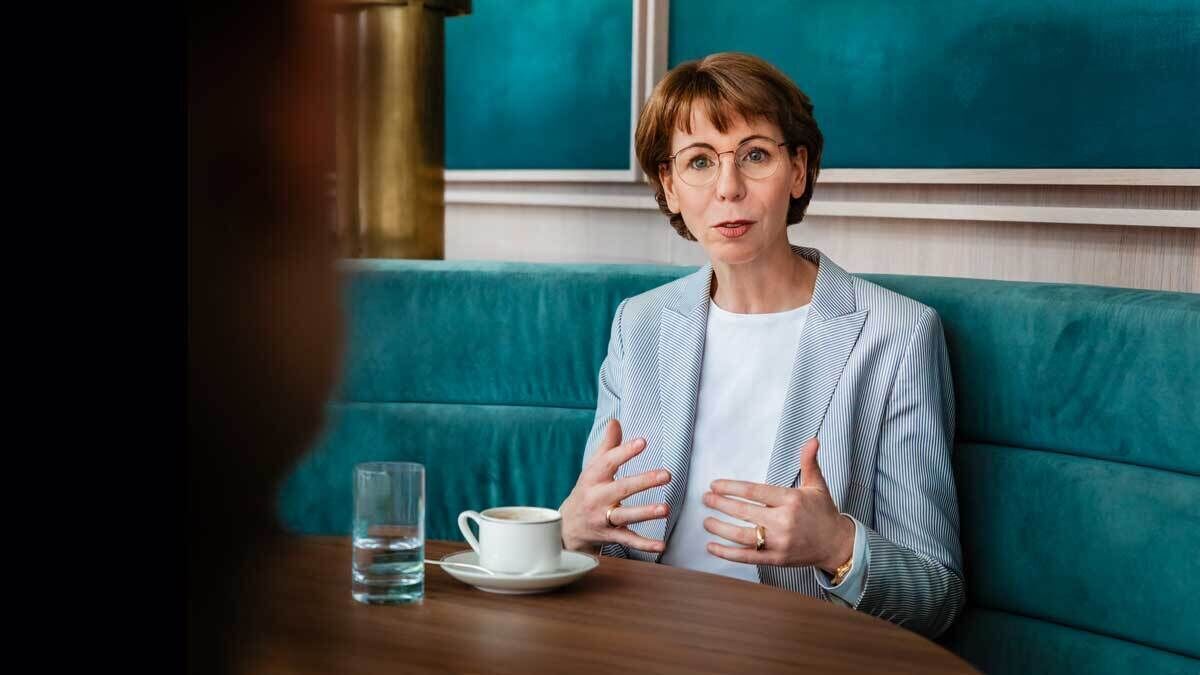
Hauke Stars, Member of the Group Executive Board responsible for IT, is leading the review of the strategic relevance of the Volkswagen Group’s existing equity stakes as part of the Group Target Picture 2030. In this interview, she explains the principles guiding that process and how the Volkswagen Group is reorganizing its investment portfolio.
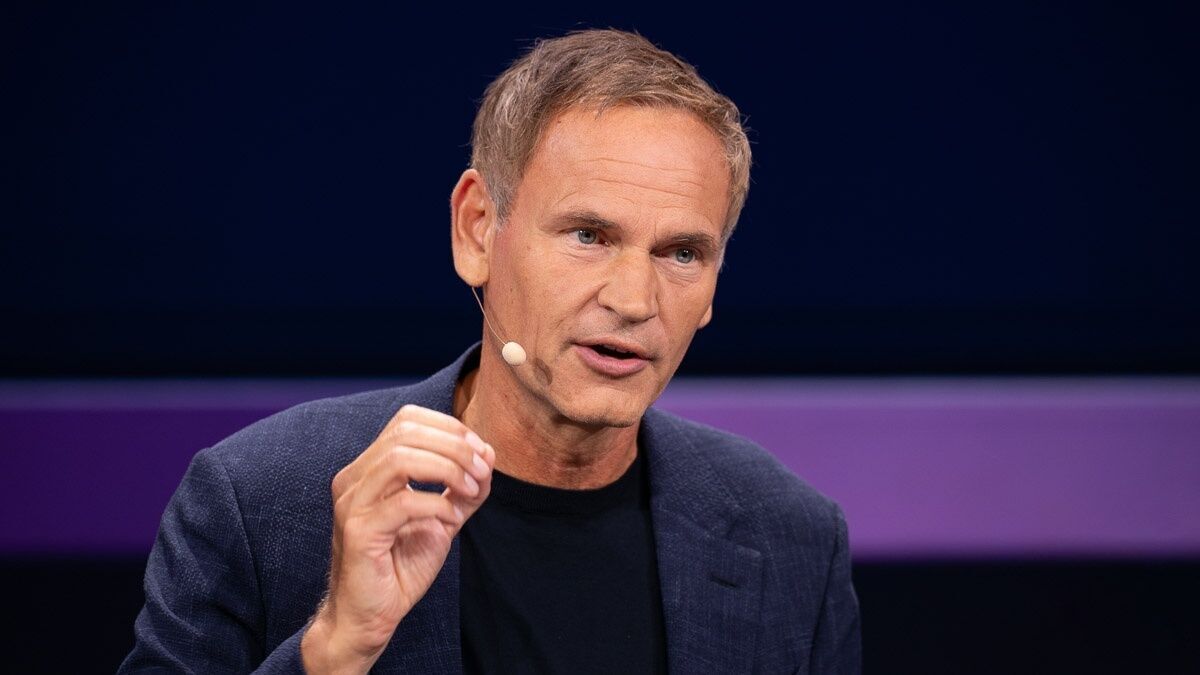
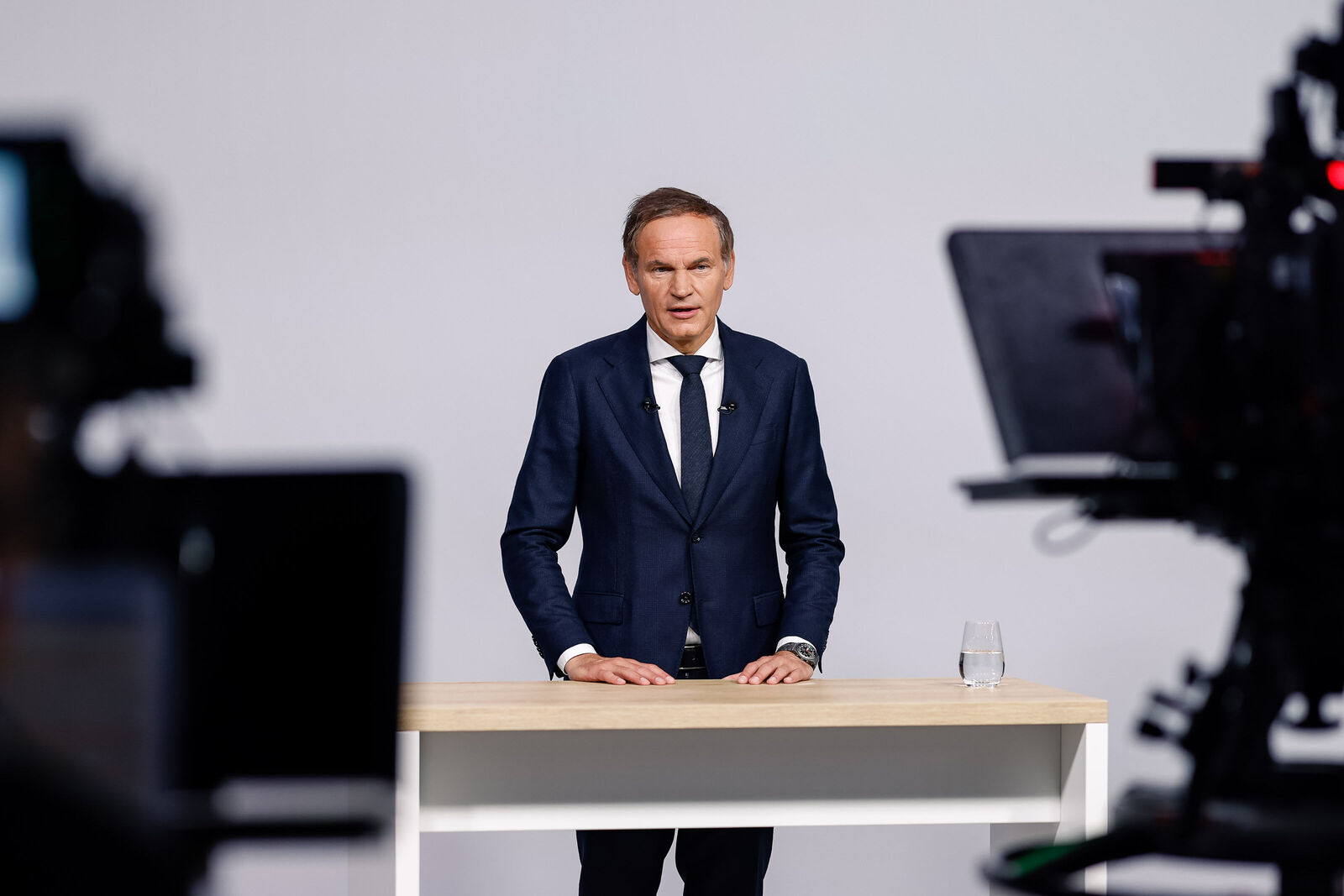
The Volkswagen Group is navigating one of the most significant transformations in automotive industry history. Rising competition from China, changing global trade conditions, geopolitical uncertainty and increasing market pressure are reshaping the environment for all manufacturers. In this interview, CEO Oliver Blume explains why Volkswagen remains operationally resilient despite ongoing challenges, how the Group has strengthened its products, technology and competitiveness in recent years, and why the company's future plan goes far beyond a cost-cutting program. The focus is on sustainable profitability, technological leadership, streamlined structures and securing long-term growth, investment capacity and employment across the Group.
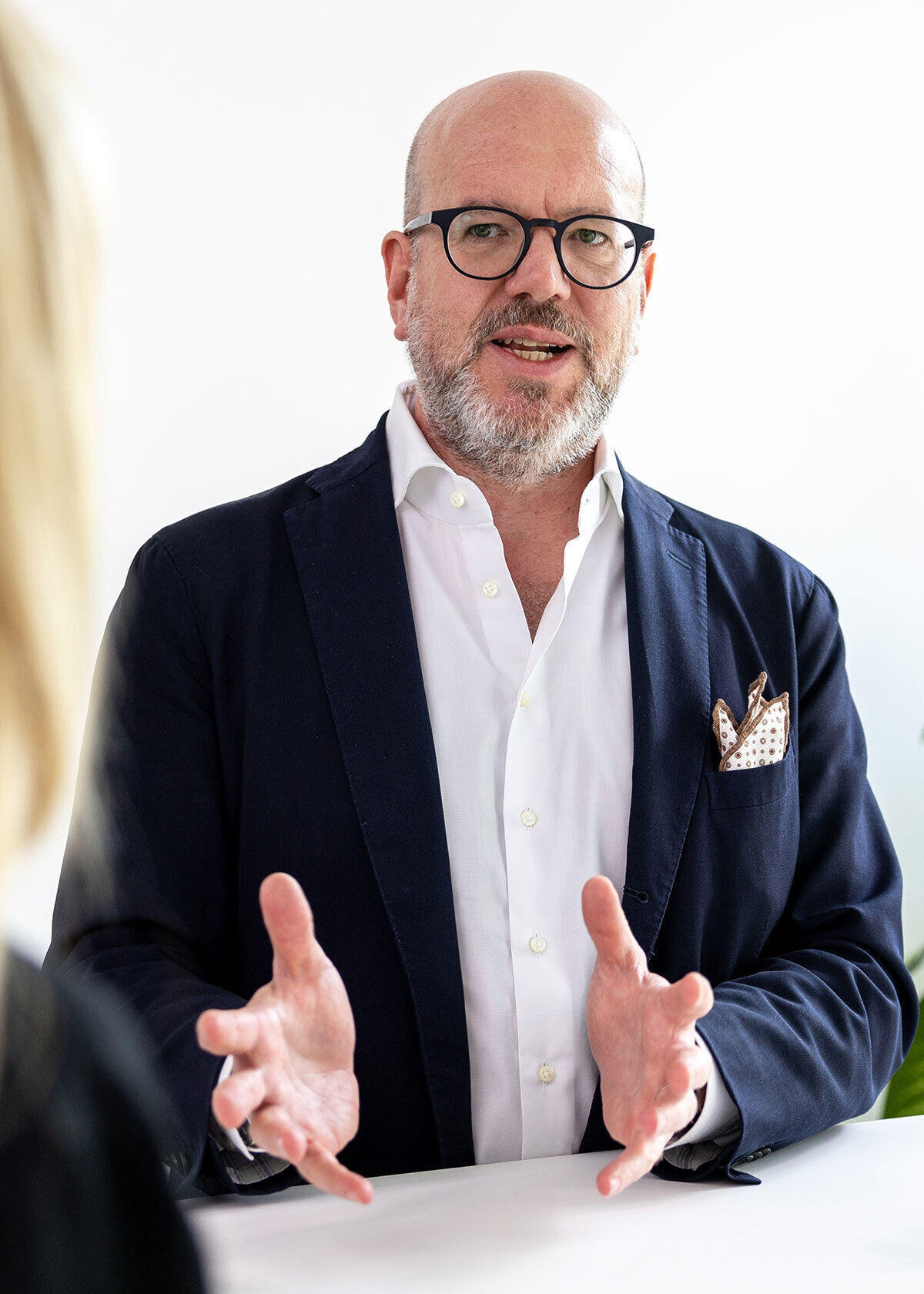
Why does the Volkswagen Group need an operating return on sales of 8 to 10 percent by 2030? Rolf Woller, Head of Group Treasury and Investor Relations, explains how cost reduction, a lower breakeven point, structural efficiency and financial resilience can strengthen profitability in a challenging global automotive market.
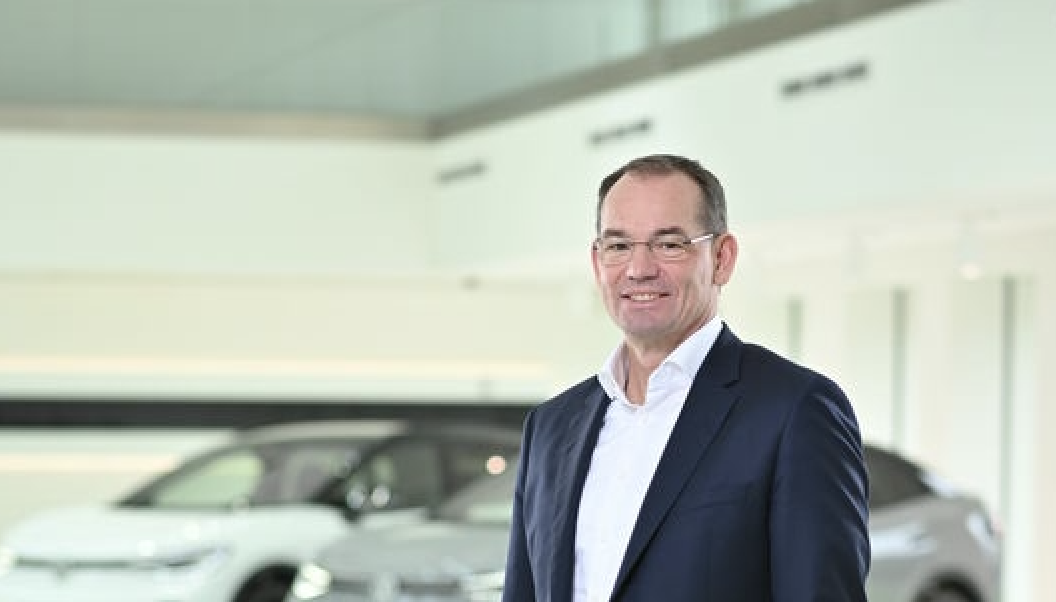
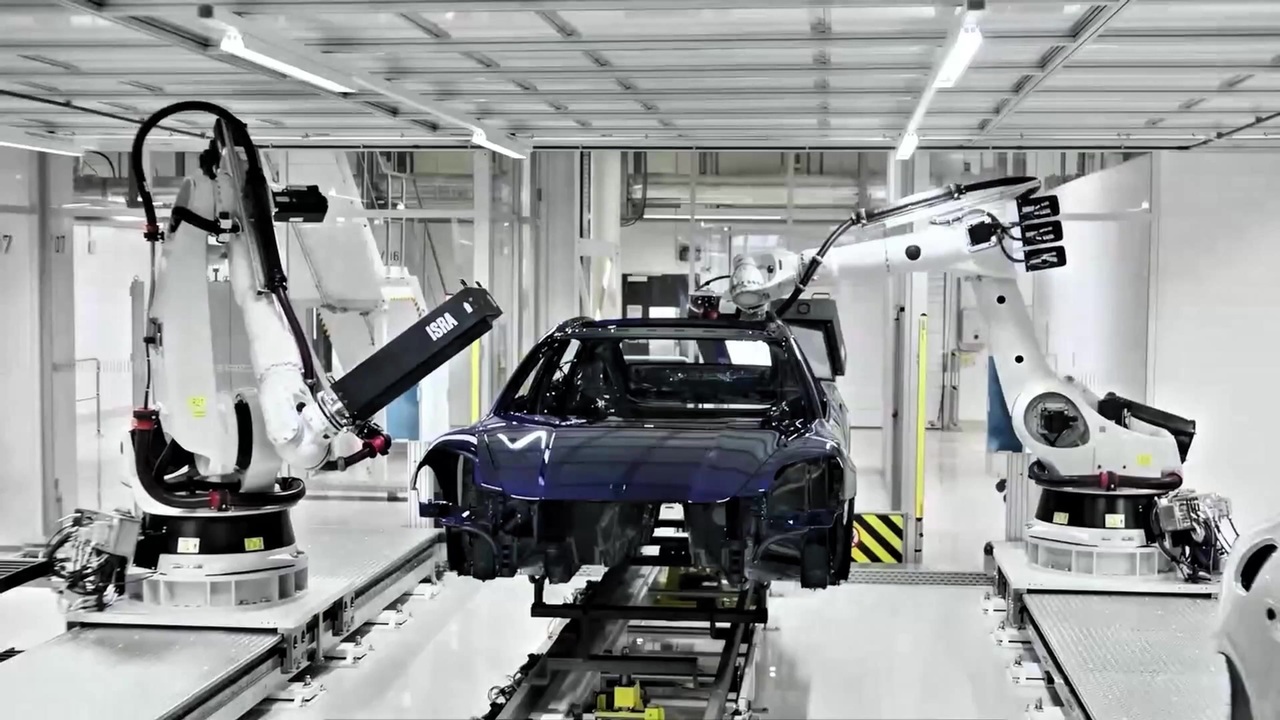
Christian Vollmer, Member of the Board of Management for Production and Logistics, explains how the Volkswagen Group is strategically realigning its global production network.
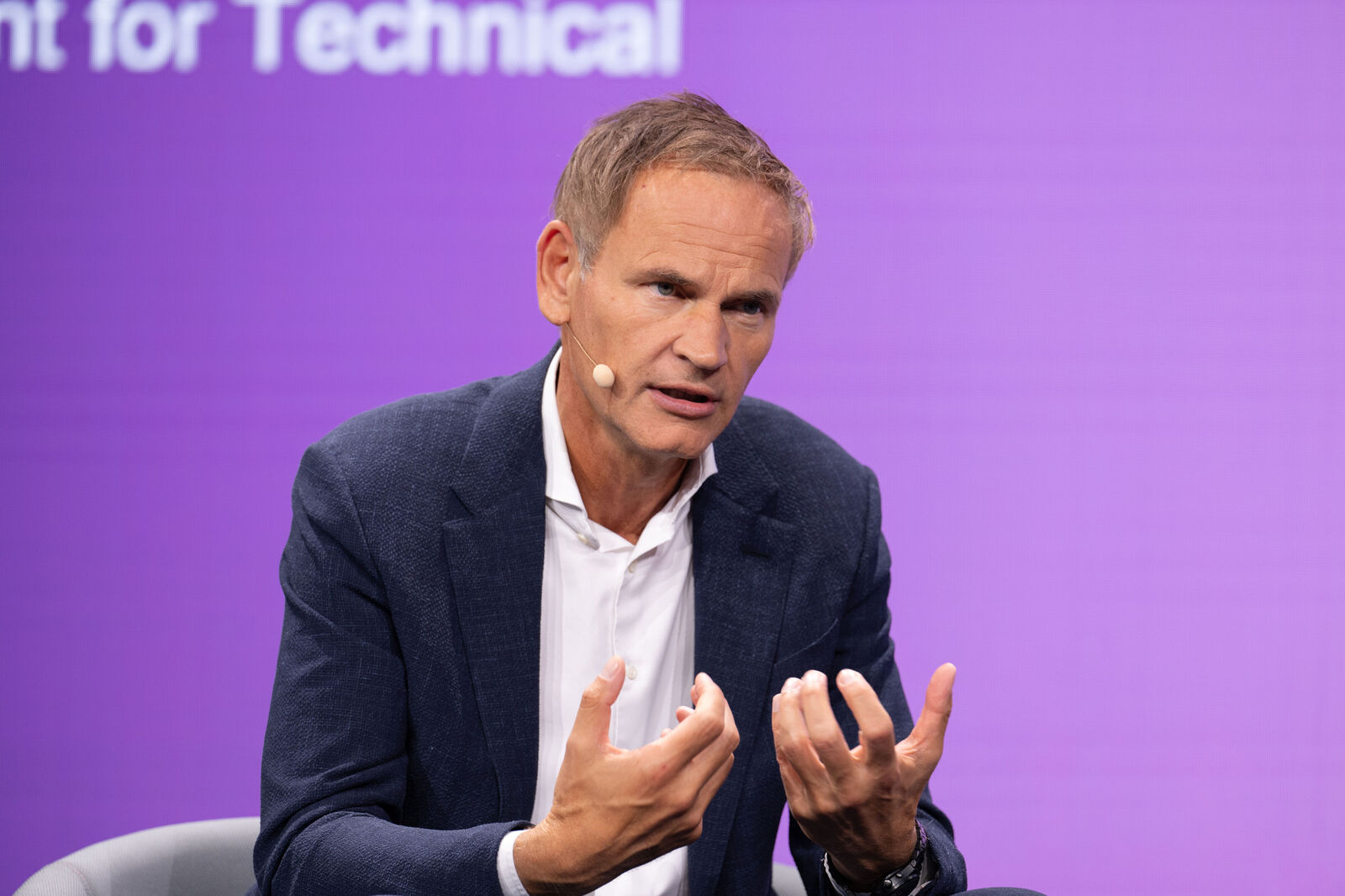
Volkswagen Group CEO Oliver Blume discusses the Group’s strengths, the Future Plan and the next steps in the transformation.
