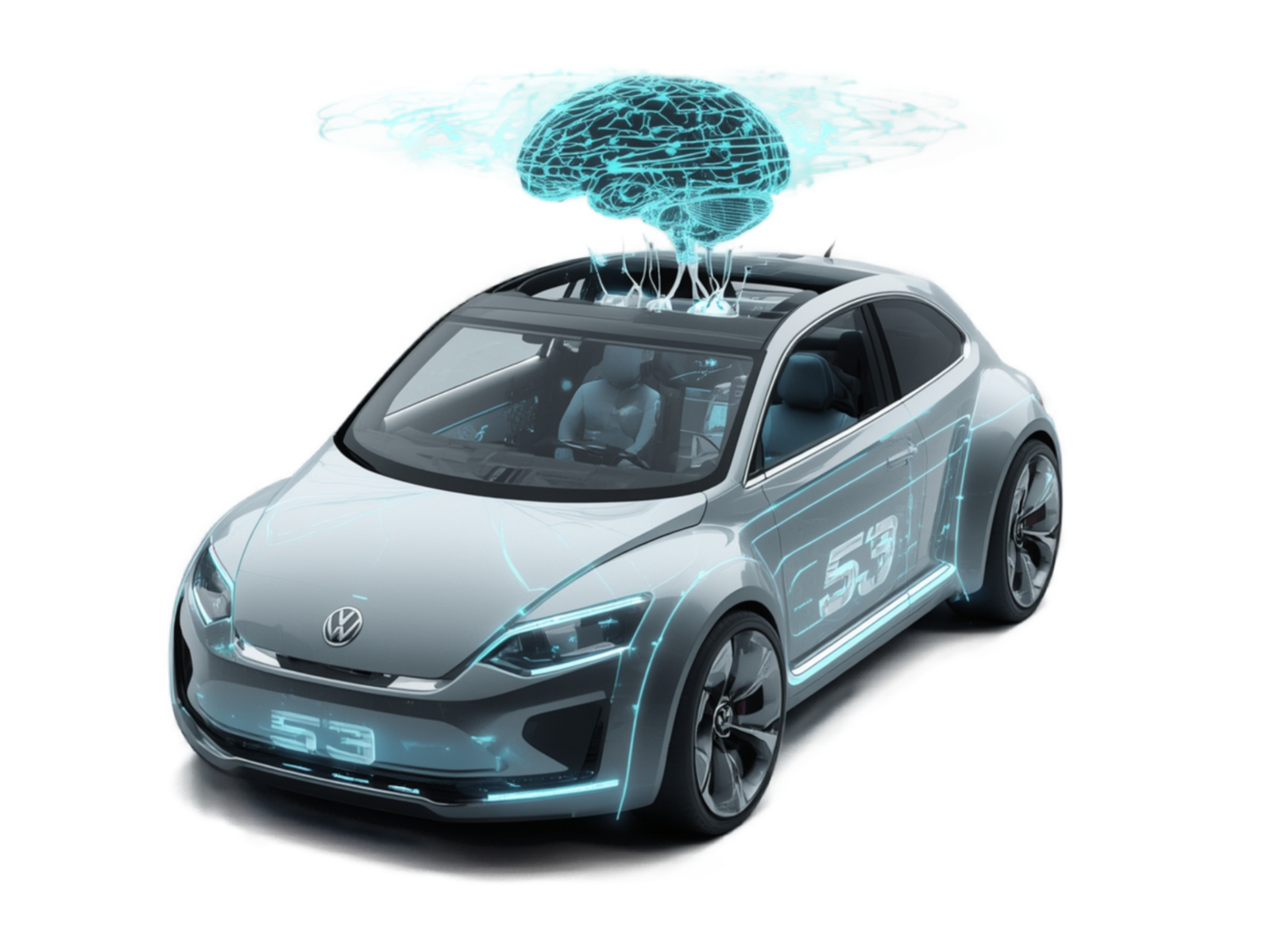
What does the car of the future look like?
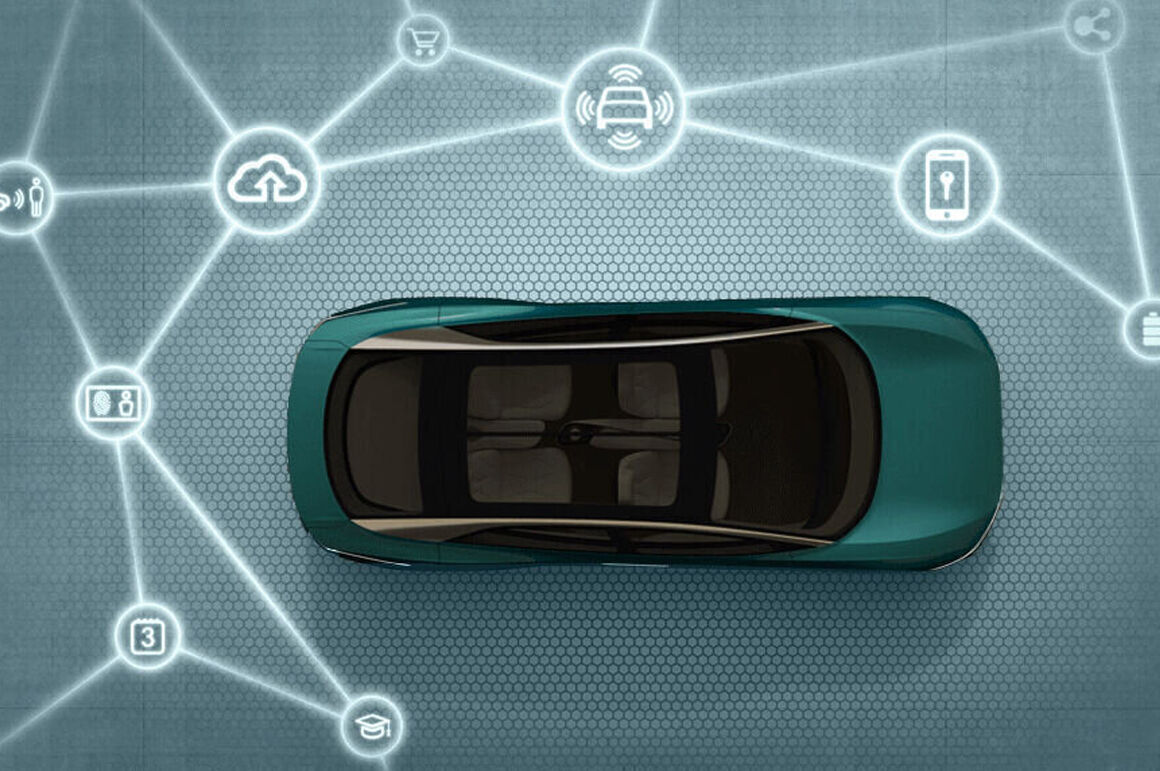
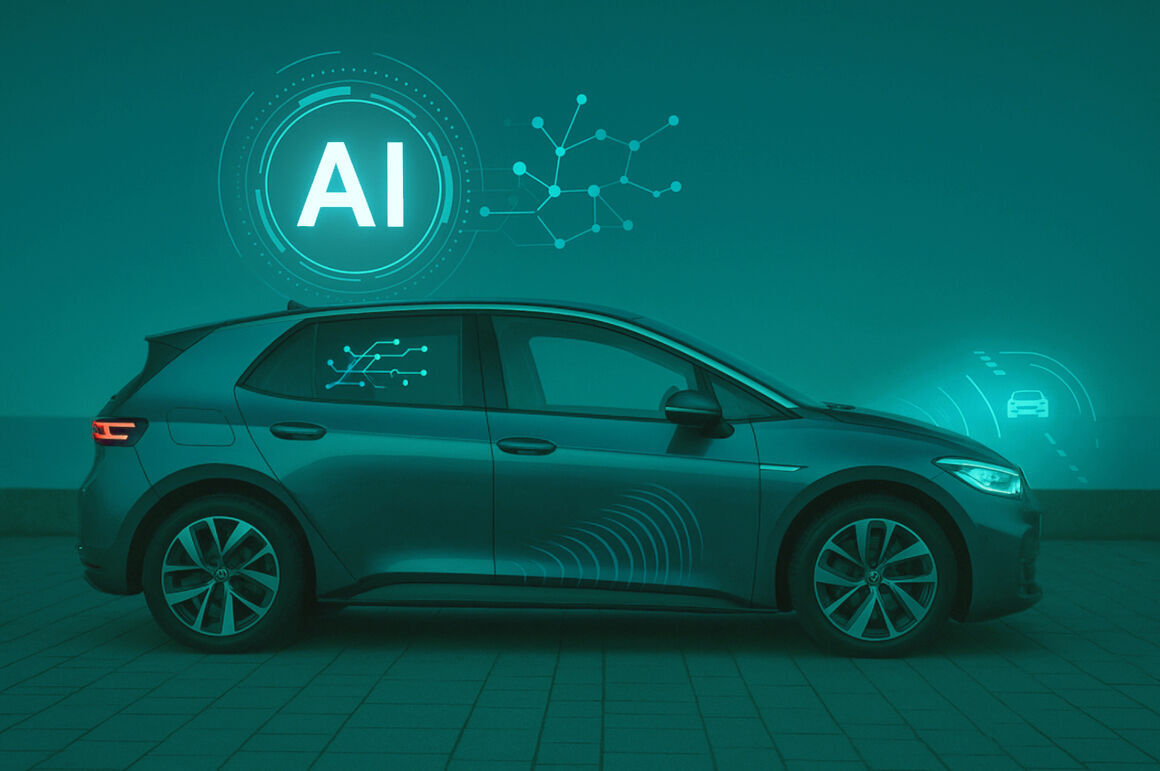
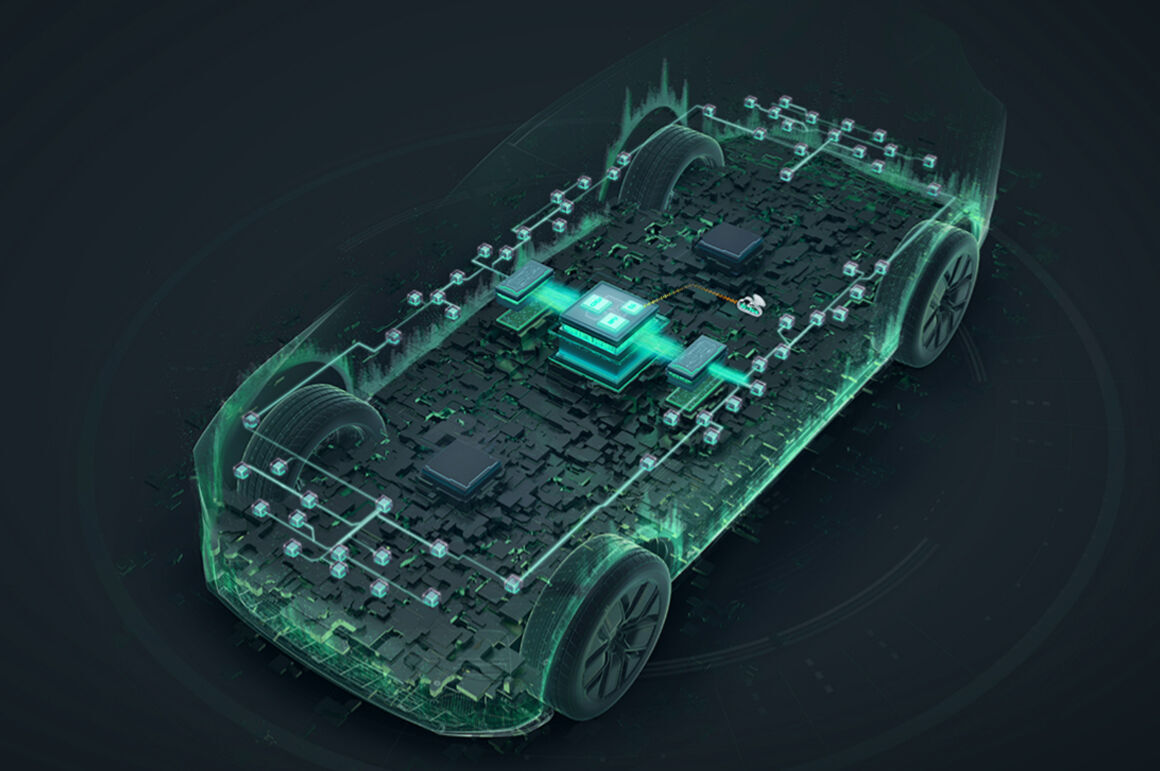
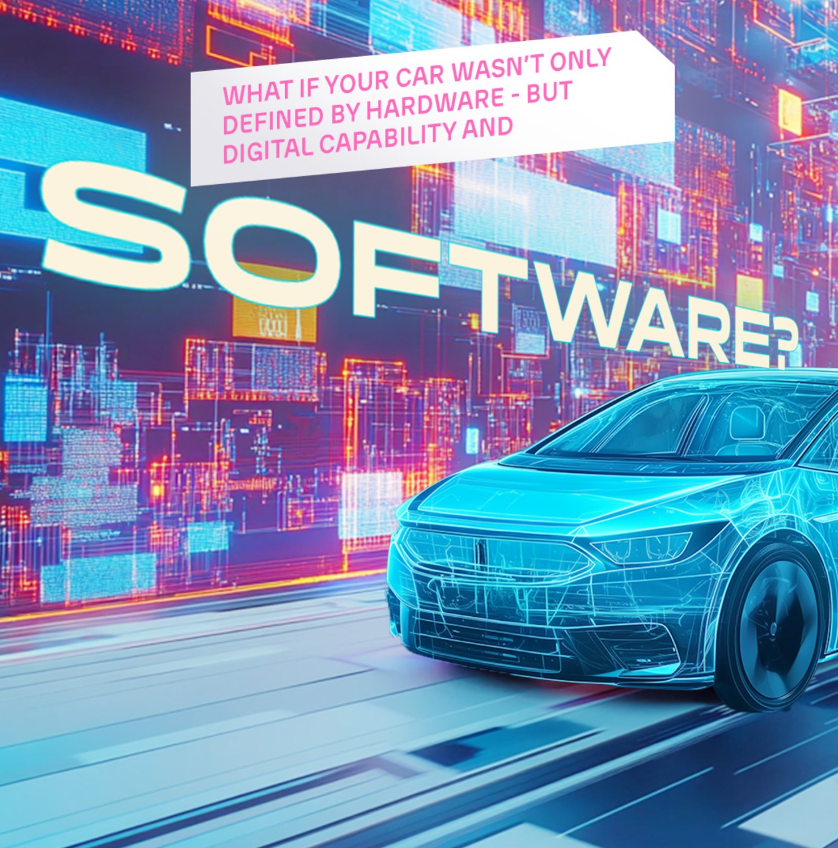
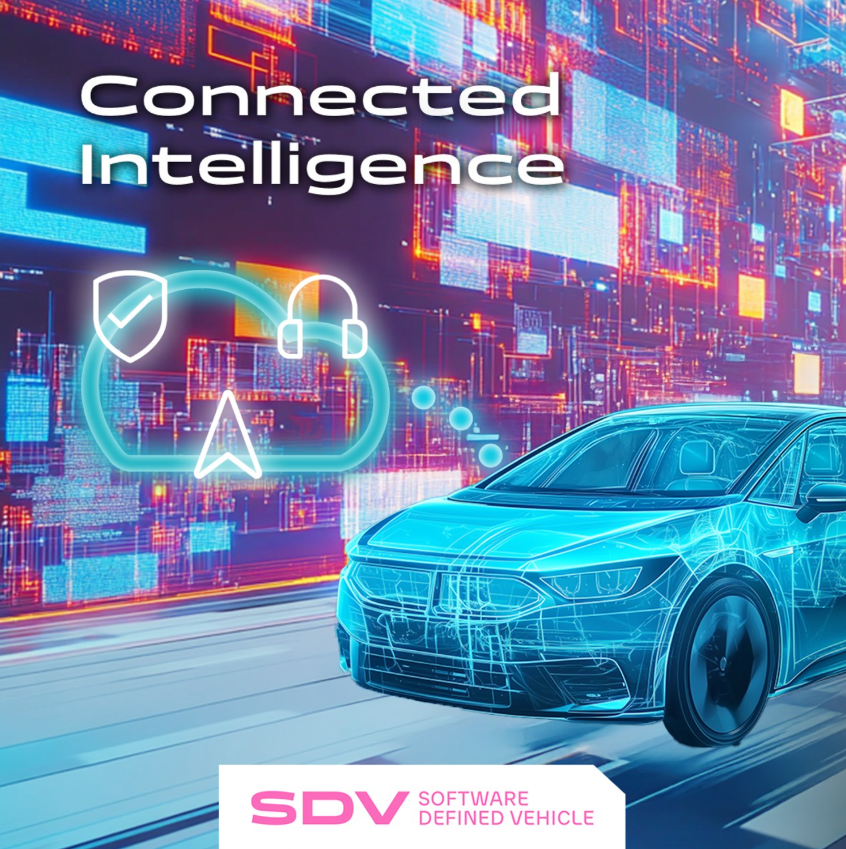
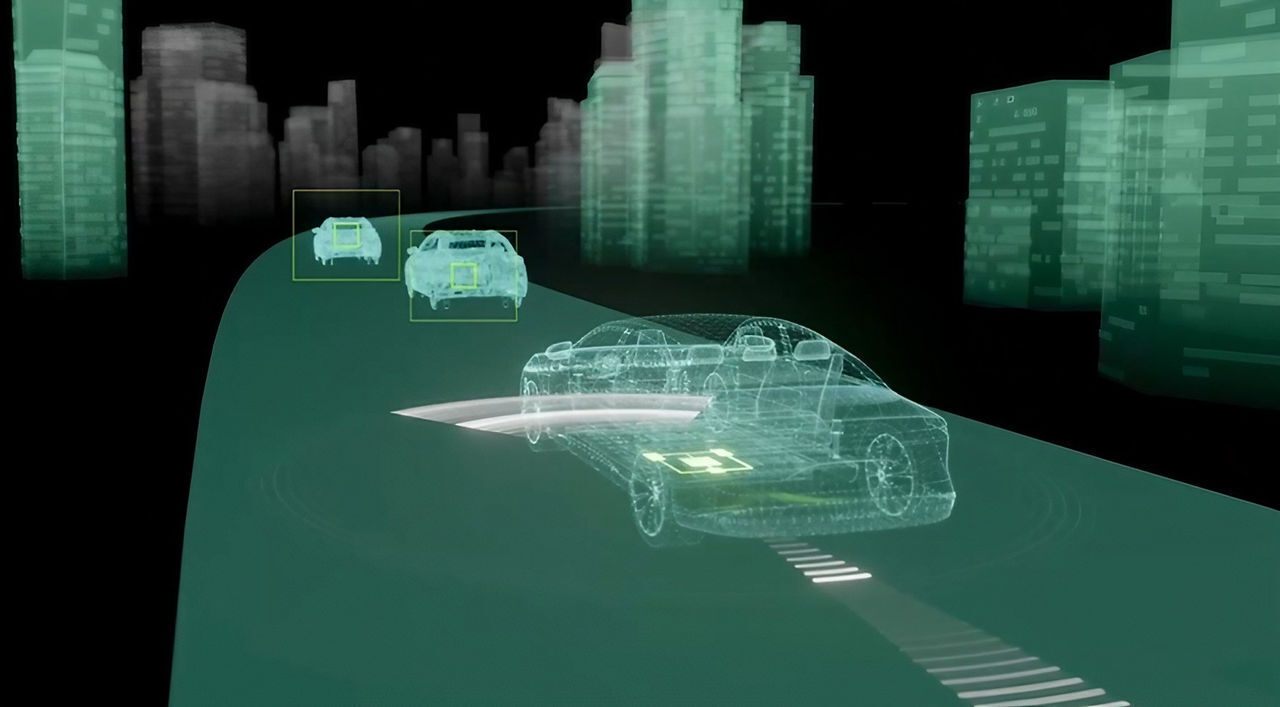
A: The car of the future is increasingly electric, digitally connected, intelligent and software-defined. High-performance computers and central software control more and more functions in the vehicle. Software updates can give the car new functions and improve existing ones. In this way, it continues to develop even after purchase.
Design is also changing: Electric drivetrains allow for new proportions and give designers greater freedom to shape the body and interior. At the same time, the way we experience and operate the car is changing:
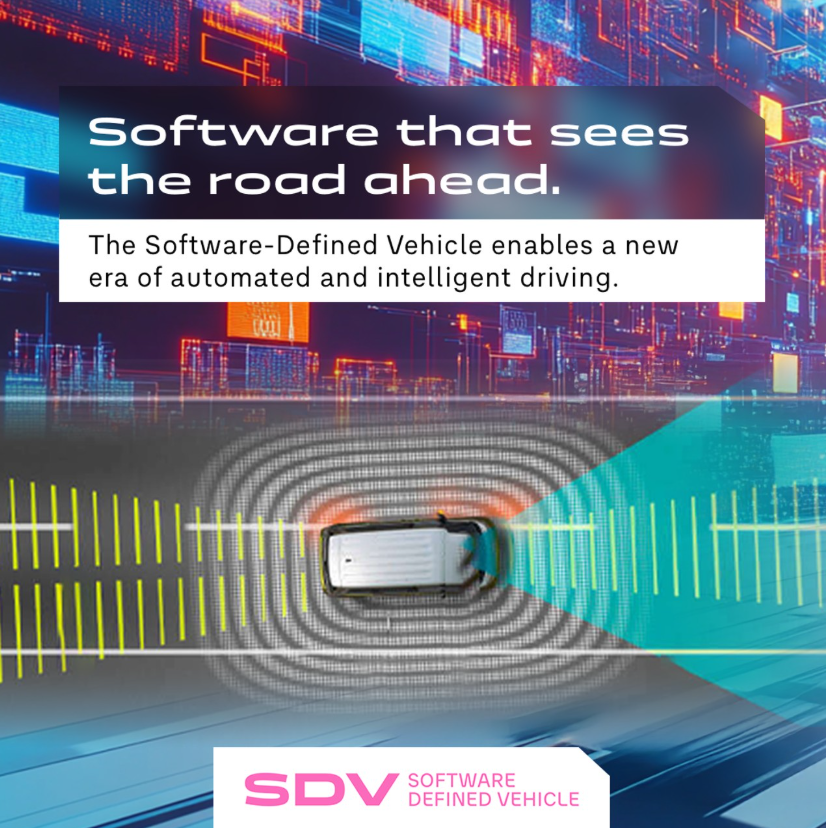
- Intelligent driver assistance systems take on more tasks.
- Digital offerings adapt more closely to individual preferences.
- AI makes it easier to communicate with the vehicle.
The car of the future will therefore be defined not only by its engine, body and equipment, but increasingly by software, connectivity and digital services.
How do over-the-air software updates work in the car?
A: With an over-the-air (OTA) update, new software is transferred directly to the vehicle via a mobile or internet connection – no workshop visit is required. When an update is available, the car informs the driver via the infotainment system and downloads the data.
OTA updates can improve existing functions, fix errors or enable new functions. Updates can include:
- vehicle systems
- navigation and infotainment
- in-car apps
This allows a car’s software to remain up to date and continue to be refined even after purchase.
How long do digital functions in the car remain up to date?
A: Digital functions can now be kept up to date for many years. Software updates fix errors and can improve existing functions or add new ones – for example to the operating system or navigation. In many vehicles, this can partly be done via over-the-air updates – without a workshop visit.
How long a vehicle can technically keep pace with new developments also depends on its hardware – processors, memory, sensors and mobile communications technology cannot be upgraded indefinitely through software. An older vehicle can therefore continue to operate reliably and receive updates without offering the same digital capabilities as a new model.
How do vehicles differ when they use the same platform?
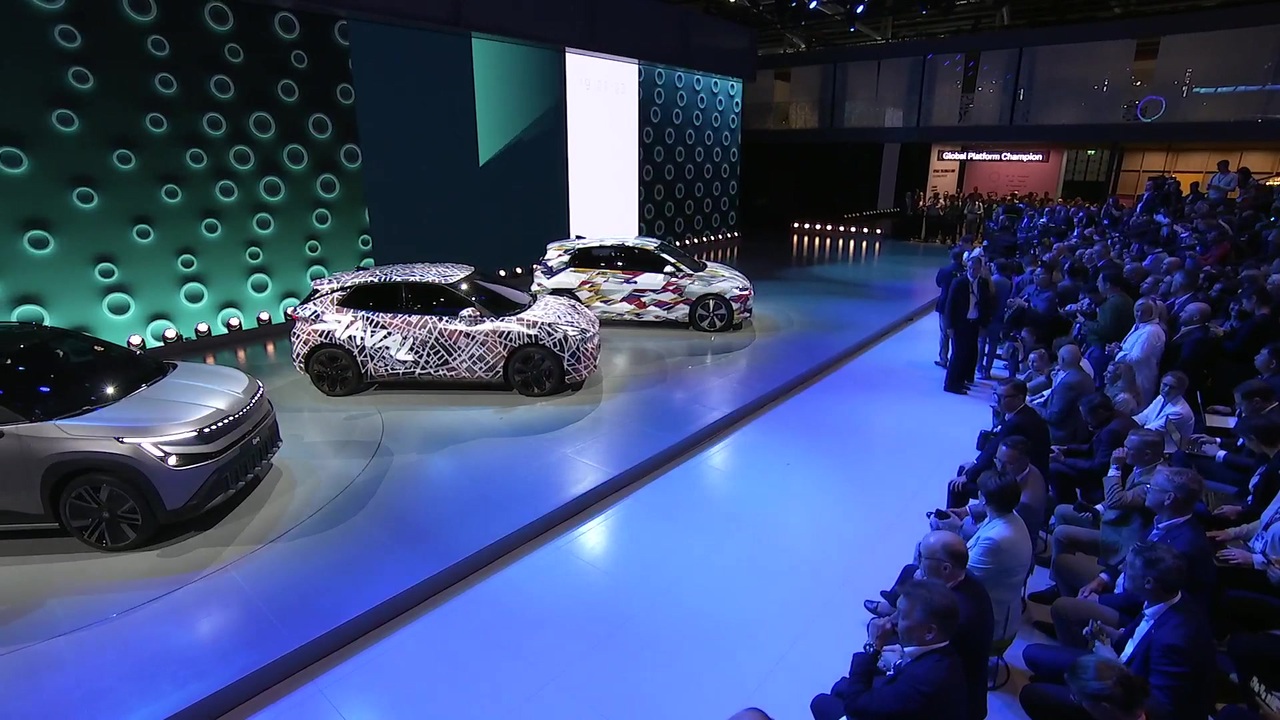
A: Vehicles based on the same platform share technical foundations and components, but can differ significantly – in size, drivetrain, battery, chassis and equipment. Design, interior and driving characteristics are also individually shaped by each brand for any model.
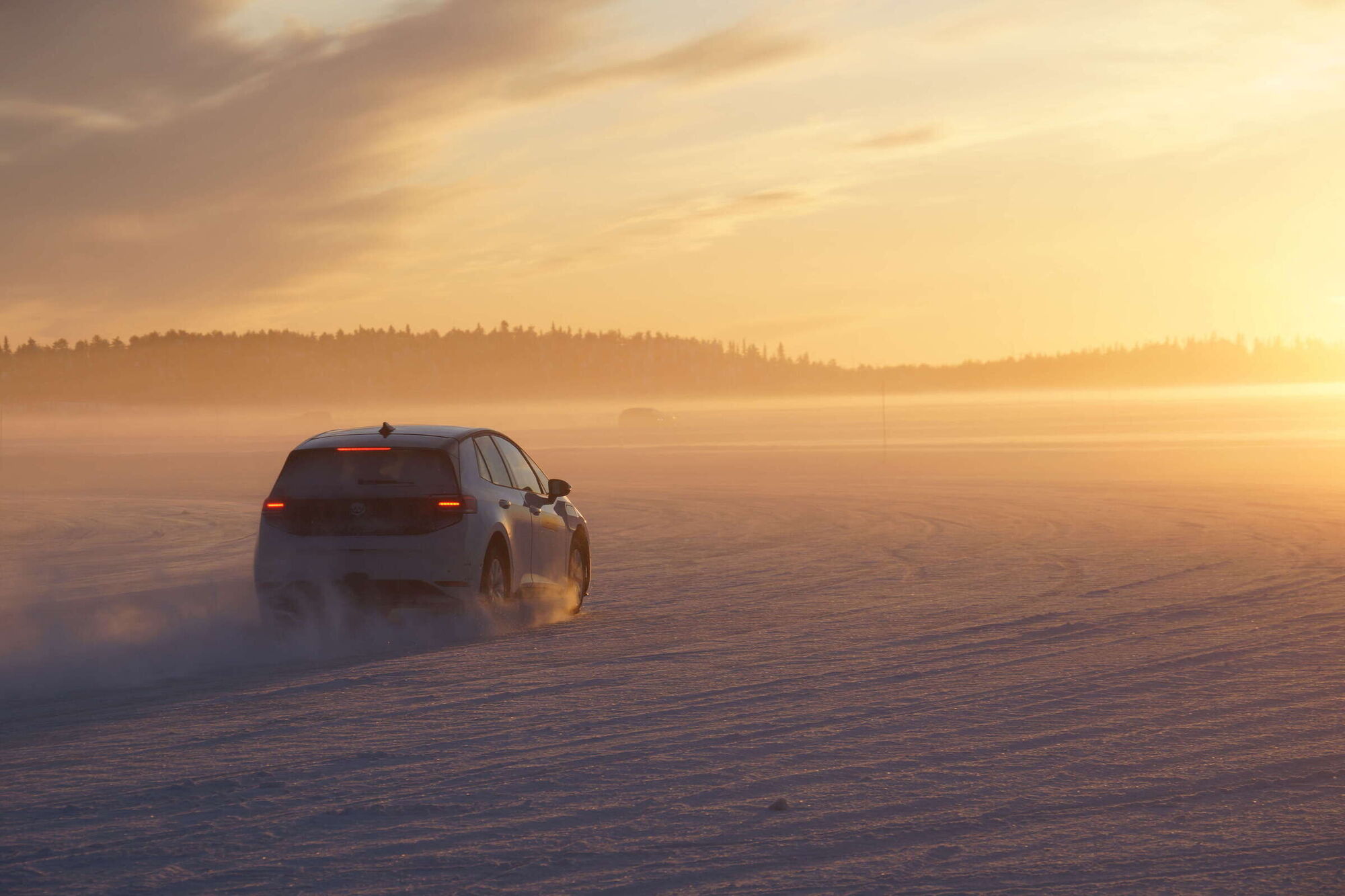
This results in very different cars based on the same technical foundation. One example is the Volkswagen Group’s Modular Electric Drive Matrix (MEB), which forms the basis for many models, including
- the compact Volkswagen ID.3
- the Škoda Enyaq SUV
- the sporty CUPRA Born
- the Volkswagen ID. Buzz
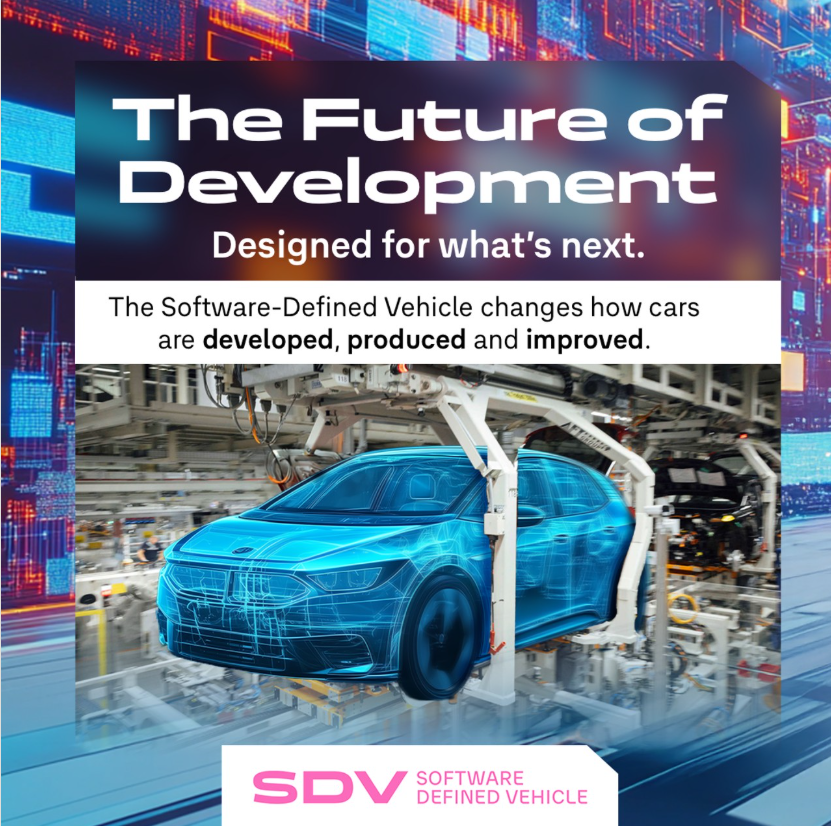
In short: Shared platforms enable efficient development and production without limiting model diversity.
How will cars and driving change over the next ten years?
A: Over the next ten years, driving will become increasingly electric, digital and comfortable. Vehicles may receive new functions years after purchase that were not yet available at delivery. The car will therefore continue to develop throughout its useful life – similar to what we know from smartphones.
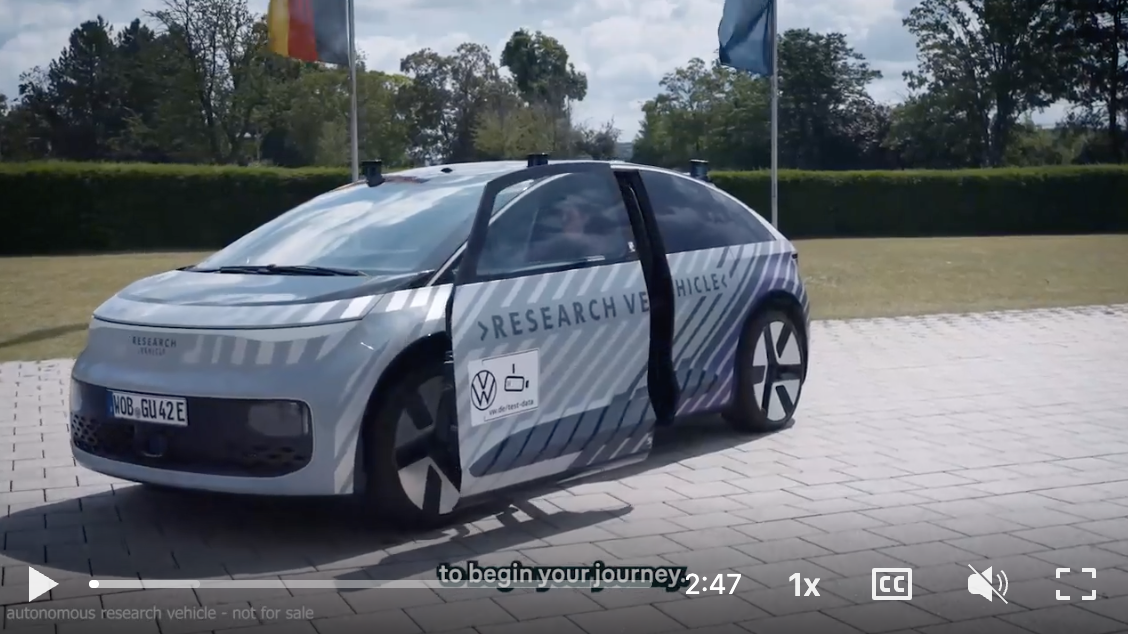
The driving experience will also change. On suitable routes, cars could in future take over complete driving tasks, allowing us to use our time in the car differently. Fully autonomous vehicles are likely to be used initially mainly in mobility services and vehicle fleets. In this way, new technology will change not only the car itself, but increasingly also our way of traveling.